
Ye toh fact hai ki electric cars winter mein kaafi zyada affect hoti hai, especially jab extreme cold hoti hai. Ye manufacturers or suppliers ke liye most weak point hota hai, because wo every possible way se battery ki stroage capacity loss hone se prevent hone ka try karte rehte hai. At present, Swedish company Volvo ne is season mein usual se bhi fast charging ka ek solution find kar liya hai.
Ye ek common problem tha jiska koi clear solution nazar nahi aa raha tha. But phir Dalian Institute of Physical Chemistry or Chinese Academy of Sciences ke scientists ki team ne ek new chemical structure discover ki, jo battery ko extreme cold mein bhi properly functioning karne deti hai.
In Chinese researchers ne ek semi solid state battery develop ki hai jo -34°C jaise freezing temperature mein all night rehne ke baad bhi apni 85% se zyada effective capacity maintain kar liti hai.
Electric vehicles will no longer face challenges in winter
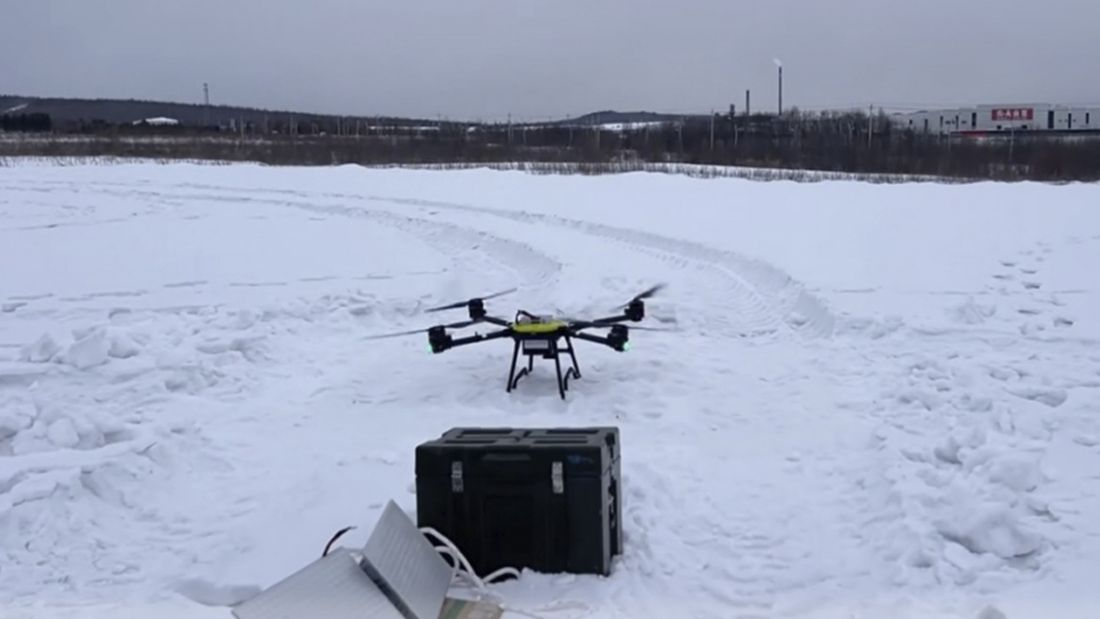
Image Courtesy: Motor.es
Hum baat kar rahe hai un temperatures ki jo Northern Europe, Russia ya Mongolian deserts mein milte hai, jahan Asian manufacturers apni cars ka test karne jaate hai. Jaise example ke liye, Geely group ke brands wahan kaafi frequently dikh jaate hai.
But is interesting fact se bhi zyada funny thing is, isi wajah se Chinese manufacturers norther Sweden ke winter tests mein zyada nazar nahi aate. And most impressive thing is freezing night ke baad bhi unhone battery ki capacity drop hone nahi di.
Scientists ne ye zyada advanced chemistry isliye choose ki, because unhone prove kar diya tha ki ye cold climate mein bilkul stable rehti hai. Phir unhone chemical composition ko thoda tweak kiya so that battery consistently energy supply karti rahe.
Ye first challenge successfully complete ho gaya. Saath hi, unhone battery management system mein Artificial Intelligence bhi integrate kar diya. Iska result ye hua ki ab cold temperatures mein jo normal lithium-ion batteries mein problems aati hai, unhe detect karna kaafi easy ho gaya hai.
Challenges of the new anti cold battery: charging power or lifespan
Par sab kuch perfect bhi nahi hai, or hamesha kuch na kuch bade loose ends reh hi jaate hai. Most of the big point ye hai ki ye electric cars ke liye battery nahi hai. Abhi ke liye isko drones mein test kiya gaya hai, but jo conditions ye flying devices high altitude par face karte hai, unse lagta hai ki cold ki wajah se battery capacity ka loss ho jaana maybe jaldi hi past ki baat ho sakti hai.
phir bhi, scientists ko ye ensure karna hoga ki jab is technology ko electric car ki battery mein transfer kiya jaaye, tab ye capacity loss minimum ho. And isi ke saath ek or question bhi raise ho jaata hai.
Iska testing method thoda different hai, ye battery thermal insulation ke use ki ja rahi hai, jo electric vehicles se different hai. Actually, EVs mein to thermal insulation hota hi hai, isliye real condition mein capacity loss or bhi low ho sakta hai, maybe 10% ya usse bhi less.
Obviously, ye ek big step forward hai, but abhi bhi electric cars mein properly implement hone mein kaafi time lagega. Abhi kuch hurdles clear karne baaki hai, jaise ye technology high charging speeds ke saath compatible hai ya nahi, or iska battery lifespan par kya impact padega.