
European Union ne 2035 se new petrol or diesel cars par jo full ban lagane ka plan tha, us stance ko kaafi soften kar diya hai. Carmakers or kuch member countries ke continuous pressure ke baad, ab complete ban ki jagah EU 90% fleet wide CO₂ emissions reduction ka target rakh raha hai. Matlab ye ki 2035 ke baad bhi, strict conditions ke saath, internal combustion engine wali cars ko thodi si jagah mil sakti hai.
Is policy change ka matlab yeh hai ki pulg-in hybrids, kaafi efficient combustion engines, or sustainable fuels pe run karne wali vehicles future mein bhi on sale reh sakti hai, bas condition yeh hai ki manufacturer approved protocols se apni emissions offset karein. EU ke political leaders yeh soch badh rahi hai ki agar zero emission rule ko bahut zyada strict rakha gaya, toh region ki auto industry ko loss ho sakta hai. especially jab European brands already high costs, uneven charging infrastructure, or Chinese or American EV makers se tough competition face kar rahe hai.
Haan reactions kaafi mixed rahe hai. Kuch automakers is flexibility ko welcome kar rahe hai, unka kehna hai ki isse jobs safe rehti hai, old investments safe rehte hai or consumers ko bhi zyada choice milti hai.
But kuch big players, jaise Stellantis, warn kar rahe hai ki baar baar rules change hone se uncertainty increase ho jaati hai or long tyerm product planning kaafi complicated ho jaati hai.
Saath hi, kaafi carmakers abhi electrification ke liye committed hai, bas unka yeh assumption hai ki transition thoda zyada market realities ke saath align hona chahiye.
Rollback ke saath saath, EU electric mobility ko support karne ke liye new incentives bhi offer kar raha hai, especially small or affordable electric cars par focus ke saath. Ek new EV category introduce karne ka plan hai jisme regulatory advantages milenge, so that mass market adoption increase ho, local manufacturing ko boost mile, Europe ka second hand EV market bhi strong ho.
Revised policy ke critics ka kehna hai ki 2035 ka ban thoda loose karna Europe ke decarbonization efforts ko slow kar sakta hai or investors ko mixed signals bhej sakta hai. Enviornmental groups warn kar rahe hai ki combustion engines par continued dependence chahe limited hi kyun na ho, long term climate targets ko weak kar sakta hai.
Wahin supporters assume kar rahe hai ki electrification abhi EU ki main strategy ka core hai, bas thodi flexibility zaroori hai so that auto industry stable or competitive bani rahe.
Overall dekha jaaye toh EU ki revised approach ek compromise hai climate ambition or industrial pragmatism ke beech. Means EVs future toh rahenge hi, but combustion engines Europe se itni jaldi disappear nahi hone wale jitna pehle plan kiya gaya tha.
Europe Vs China
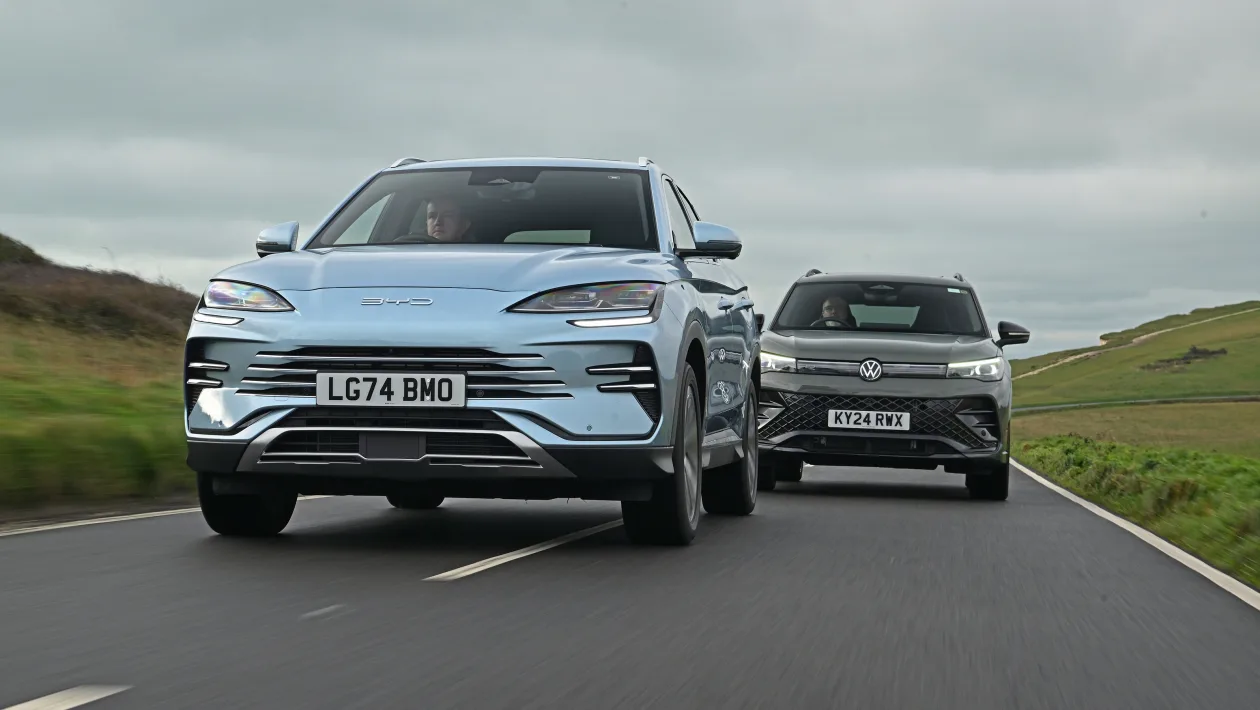
Image Courtesy: Auto Express
Europe ne mobility ke future ko lekar jo important decision announce kiya hai, woh obviously sabko khush karne wala nahi tha. Is poori fight mein, jo past 4 years se chal rahi hai, manufacturers clear winners nahi nikle, or na hi common citizens, because unko abhi bhi electricity ke baare mein sochte rehna hoga. Brands ko combustion engines sale karne ke liye kaafi concessions dene pade hai, or that's the reason humein bhi ye sab accept karna pad raha hai, unless hum synthetic petrol wala option choose karein.
Is special fuel se tank fill karana kaafi expensive hoga, whereas electric car ki battery bas weak mein 1-2 baar recharge karni hoti hai. Abhi ke liye, 2035 mein yahi reality hone wali hai agar us time tak brands deadline ko aage badhane ke liye time extension maangna start na kar dein.
But is decision ke between or bhi kaafi kuch hai. Final vote 2026 mein hona hai, or jaise Polestar ka example lo, woh already is baat se bilkul agree nahi karta. European Commission ke office tak Polestar 4 ke 3 examples le jaakar unhone clearly dikha diya hai ki unka full commitment electric cars ke saath hi hai.
Germans believes they ar the winners, but the victory belongs to the Chinese brands.
Abhi ke liye combustion engines ke liye koi fixed deadline set nahi hui hai, ho sakta hai 2040 ke baad ho ya 2050 ke around, ye abhi decide hona baaki hai. But is new reality ke real winners brand nahi hai, chahe Germany ko aisa lag raha ho. Germans ne jaise medal jeet liya ho or khud ko industry ka saviour bana ke present kar rahe hai, whereas China side se poori situation pe thoda gloating (khush) ho raha hai.
Aisan brands hi actually sabse zyada successful nikle hai. Pehle electric cars ke saath dhamakedaar entry kari, or phir combustion or PHEV hybrids bhi le aaye, wo bhi zabardast range ke saath. Ek auto show mein phir se ye clear ho gaya ki European brands unke pace ke saath match nahi kar pa rahe.
Aur China ke car exports ka latest data bhi bilkul clear picture dikhata hai, total exports mein 40% electric cars hai, whereas 60% abhi bhi combustion engine wali cars hai.
Bas Stella Li ke statements dekh lo. BYD ki top boss ko clearly pata hai ki Europe ka decision unke brand ya baaki Chinese companies ke liye koi problem nahi hai. Li ka kehna hai ki yeh decision zyada tar apni industry ko protect karne ke liye hai, par honestly iska koi benefit nahi hoga. Unke according, Europe ne thoda backfoot par chale gaye hai sirf time lene ke liye, jo actually hai hi nahi. Aur obviously yeh China ke against hai, par agar aisa hua toh Europe khud stagnate ho jaayega, or China ne already dikha diya hai ki woh kabhi rukne wala nahi hai.
Jaise ye sab kaafi nahi tha, kuch European manufacturers ka assumption hai ki combustion engine ban remove karne se unko thoda or breathing space mil jayega. Kuch log toh ye bhi keh rahe hai ki "iss extra time ka use charging infrastructure ko expand karne ke liye kiya jayega.
Theory toh yehi hai, but reality ye hai ki Europe ne khud hi dekha hai ki kisi bhi member country ne properly chargers install karne ka homework nahi kiya. Aur upar se manufacturers par pressure create kiya ja raha hai ki wo fast track mein electric car brands mein apni established company ko electric carmaker mein transform kar lein.
A major challenge for electric cars in Europe is the demand
Brussels ne prices ko stop nahi kiya, or brands apna maximum range/ autonomy ko hi apna main selling point bana rahe hai. Petrol/diesel cars mein aap power ke liye pay karte ho, fuel tank toh same hi hota hai. Electric cars mein aisa nahi hai.
Moreover, charging infrastructure almost non existent hai, jo EVs ki attractiveness or demand dono ko clearly kam kar deta hai. Ab yeh log demand increase karne ke liye Japanese kei-cars se inspired ek new segment create karne ki baat kar rahe hai, small city electric cars.
But jab tak prices itni zyada rahengi, brands ko customers milna challenge hi rahega.
Ek aur cheez hai VW ke tactics. Germans kaafi months se ek promise pe stick the, jo ab jaake totally blast ho gaya. Ab tak plan ye tha ki electric aur combustion both of these thode time tak saath saath chalenge. But VW ke director Thomas Schäfer ne clearly bol diya ki is segment mein ab new combustion engine models ka koi sense nahi banta, future emission rules ke confusion mein. Unka kehna hai ki ye cars customers ke liye kaafi expensive padengi.
Saath hi unhone add kiya ab petrol engines ke saath "classic sister models" bhi nahi honge. VW ke liye small car market ab purely electric hone wala hai.
Smart move, ya thoda playful game?