
Jab tak perfect battery discover nahi hoti, tab tak jo bhi current solution hum use kar rahe hai, unke disadvantages gradually reduce hote ja rahe hai or advantages increase hote ja rahe hai.
Jaise ki, low performance wali LFP batteries ab most popular ho rahi hai because woh kaafi safe hoti hai. Other side, jo lithium batteries thodi unstable hoti hai, woh impact ya overheating ke time par utni safe nahi lagti.
Ab recently, Chinese Academy of Sciences ke Institute of Physics ki ek research team ne ek massive breakthrough publish kiya hai, ek sodium-ion battery jo thermal runaway ko completely eliminate kar sakti hai. Means future mein battery safety game totally change ho sakta hai.
Image courtesy: Motor.es
Conventional lithium batteries ke unlike, jo damage hone ya overheat hone par kabhi-kabhi blast ya fire catch kar sakti hai, yeh new prototype kaafi safe nikla hai. Isne sabse tough tests bhi pass kar liya hai.
Testing ke time par in cells ko nail se pierce kiya gaya or bahar se 300°C tak heat diya gaya, phir bhi na smoke nikla, na fire broke out hui, or na hi explode hua. Inti strong resistance is size ke energy stroage devices (ampere hour level) mein pehle kabhi nahi dekhi gayi.
And interesting thing is CATL jaise kaafi brands already apne sodium based modules par work kar rahe hai.
The "smart firewall": trasitioning from liquid to solid at 150°C
Iski fire immunity ka secret ek new component mein hide hai, jiska name hai Polymerizable Non-Flammable Electrolyte (PNE). Yeh material basically ek 3 layer wala active defense system ki tarah work karta hai.
- Liquid State (Normal): Normal use mein electrolyte liquid hota hai, jo energy flow ko smoothly efficiently allow karta hai.
- Critical Transition: jab battery ka internal temperature 150°C se zyada ho jata hai, kisi fault ya accident ki wajah se, so uska electrolyte instantly reaction karta hai or solid ban jata hai.
- Physical Barrier: Solid ban ke yeh ek internal wall create kar deta hai jo ions ke movement ko physically block karta hai or heat ko spread hone se rokta hai, jisse koi destructive chain reaction start nahi hota.
Engineering team ne apni study ko 3.5 Ah cylindrical sodium-ion cell par test karke validate kiya. Tests mein dekha gaya ki nail penetration ke time na smoke aaya, na fire, or na hi explosion hua. Even 300 °C tak temperature hone par bhi overheating nahi hui.
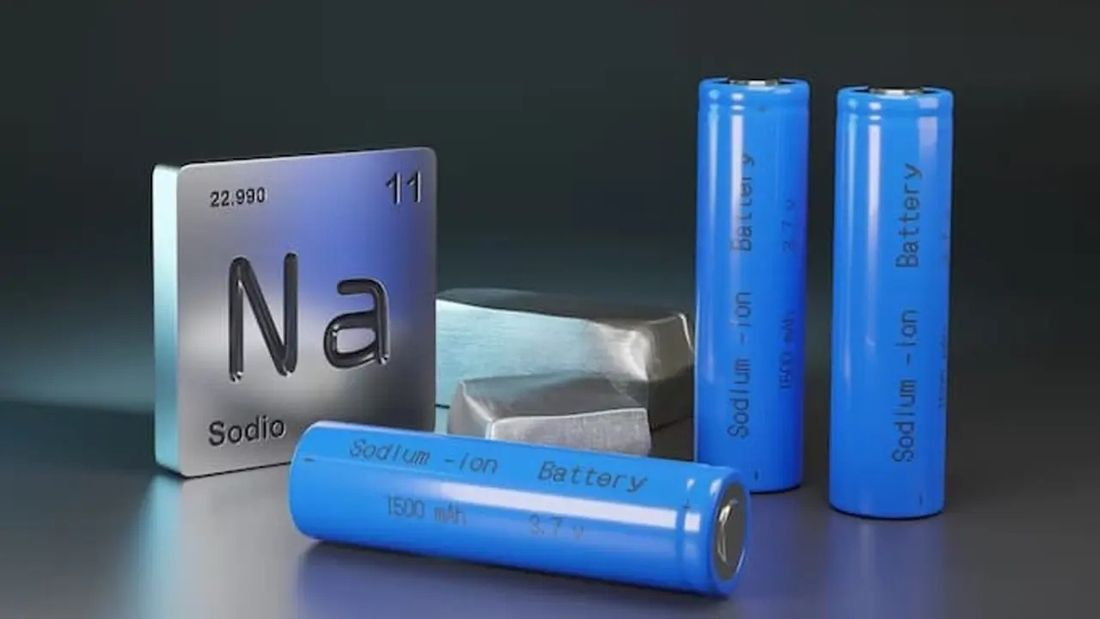
Image courtesy: Motor.es
The good thing is itni safety improve hone ke baad bhi battery ki performance par koi negative effect nahi pada. Jo cell develop kiya gaya hai, uski energy density 211 Wh/kg hai (cell level par), or yeh wide temperature range mein smoothly work karta hai -40 °C se leke 60 °C tak.
A battery designed for extreme climates and affordable cars
Jaise hum pehle hi bol chuke hai, is discovery ka most impressive part yeh hai ki safety ke liye performance compromise nahi ki gayi hai. Jo data saamne aaya hai usse pata chalta hai ki yeh batteries extreme conditions mein bhi kaafi stable rehti hai, isliye yeh sirf home energy storage ke liye hi nahi rather high volume electric vehicles ke liye bhi ek solid option ban jaati hai.
And most interesting thing is, yeh -40°C tak bhi work kar sakti hai, jo un countries ke liye perfect solution hai jahan bahut zyada winters hote hai, because wahan normal batteries usually apni range ka kaafi massive part lose kar deti hai.
Yeh technology kaafi closely linked hai Zhongke Haina (HiNa) se, jo ek pioneering sodium based company hai or wahi institute se nikli hai. Abhi yeh log apni batteries trucks or light commercial vehicles mein test bhi kar rahe hai.
Company ke according, ab tak jo heavy trucks mein test hue hai, unmein per kilometer energy consumption around 15% less dekha gaya hai, or normal conditions mein range bhi 20% zyada mili hai. And ab toh iska initial commercial use bhi start ho chuka hai.
And the most interesting thing is yeh batteries lithium jaise critical materials par depand nahi karti, isliye theoretically inhe banana affordable ho sakta hai.
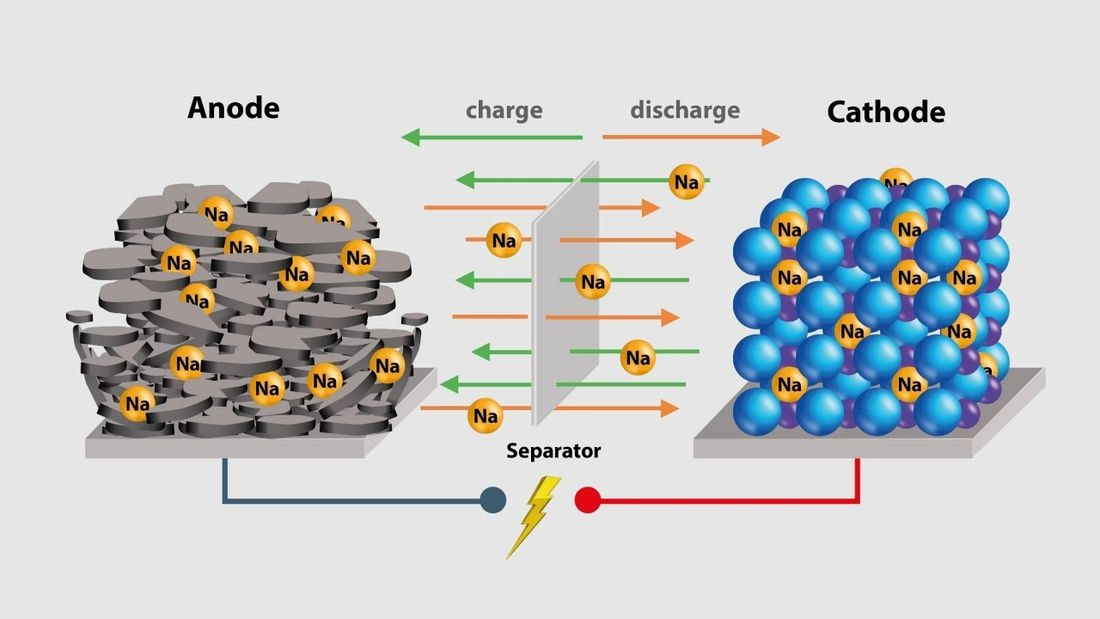
Image courtesy: Motor.es
Are lithium batteries reaching their end?
Lithium abhi bhi high performance models mein dominate karta hai because uski energy density zyada hoti hai, but sodium gradually cost or safety aspect mein strong ho raha hai. Wahi LFP batteries ab mid range segment mein gradually standard banti ja rahi hai.
Zero fire risk or kaafi low manufacturing cost ki wajah se, chances kaafi high hai ki 2027 ke baad se humein "salt batteries" ka use zyada dekhne ko milega, especially urban cars or home energy storage systems mein.