
Ye jo electric vehicle market ka slowdown southern European countries mein ho raha hai, wo sirf cars ki high price ya phir abhi bhi insufficient charging infrastructure ki wajah se nahi hai.
Real problem ek aur hai, logon ko long term operating cost ko leke kaafi uncertainty hai. Matlab future mein maintenance, battery, electricity cost kitni hogi, ye clear nahi hai.
Isi situation ko dekhte hue, Italian government ne decide kiya hai ki ab wo strong action legi. Unka stance kaafi firm hai, or lag raha hai ki ye zero emission vehicles ko support karne wali policies mein ek major turning point prove ho sakta hai.
The hidden "tax" of public recharging
Italian Prime Minister ke according, public se ye expect karna ki wo apni old cars ko replace karne ke liye kaafi money spend karein, or phir baad mein electric cars chalana petrol ya diesel se expensive ya less competitive nikle, ye technical or political both ways mein contradiction hai.
Meloni ne apne recent statement mein kaha ki energy ko "invisible tax" nahi banne dena chahiye, jo last mein European automotive industry ko is critical time par damage kare. or clear kar diya ki affordable charging ka access ab Italy ke liye national importance ka matter ban chuka hai.
Ye strategy ek important paradigm shift ko represent karti hai. Ab tak government incentives mainly sirf car purchase ke time par focus karti thi, jaise direct subsidy, scrappage scheme ya tax benefits.
But ab Italy ek step further badhana chahta hai, or car sell karne ke baad jo energy market hota hai usko regulate karna chahta hai.
Simple words mein, unka goal ye hai ki electricity prices ke ups and downs or charging operators ke profit margins ki wajah se electric cars sirf high income logon ya un people ke liye limited na ho jayein jinke paas ghar par charging facility hai.
European pragmatism and energy independence
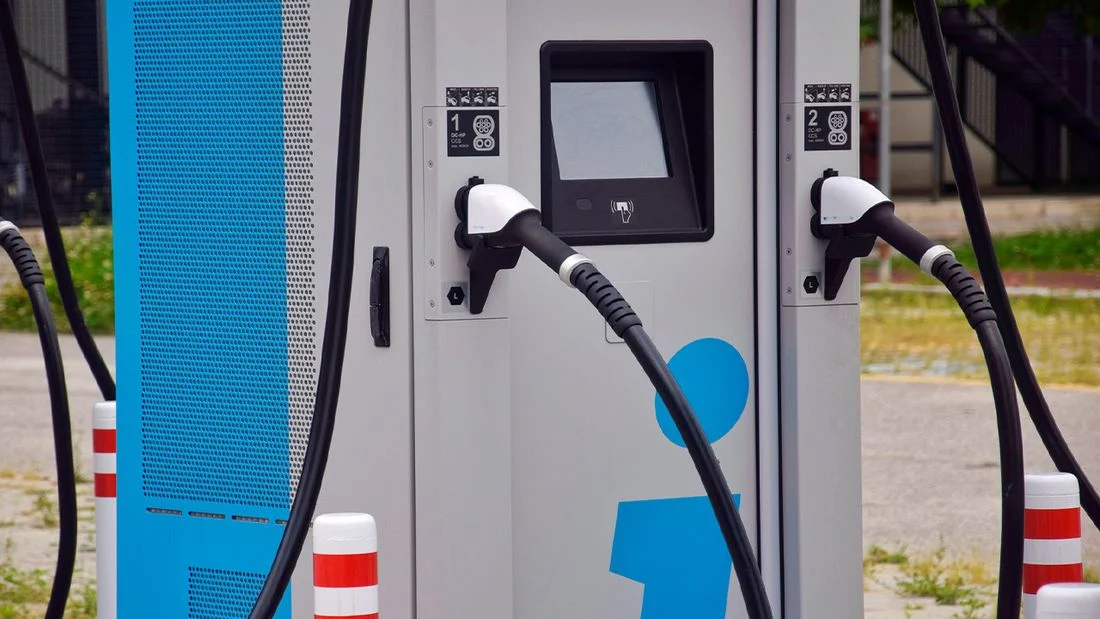
Image Courtesy: Motor.es
Italy ka jo stance hai, uska Europe par kaafi big impact padta hai. Italy ne Germany jaise industrial powers ke saath milke 2035 tak combustion engines ban karne wale deadline ko kaafi criticize kiya tha. But ab lag raha hai ki Italy thoda political realism wala approach le raha hai.
Matlab agar Brussels ka roadmap fix hai or change nahi hone wala, toh phir Italian families or businesses ki competitiveness ko protect karna important hai. Iske liye electricity ka cost stable, predictable or most important, low rehna chahiye.
Rome se jo proposal aa raha hai, usme ye idea hai ki transportation ke liye jo energy tolls lagte hai unko bobara review kiya jaa sakta hai. Saath hi, electricity companies par thoda zyada regulatory pressure dala jayega, so that publick charging infrastructure expensive tariffs se problem ne bane, rather actual change ka engine ban sake.
Italy basically chah raha hai ki wo ek group of countries ke lead kare jo European Union se common energy policy ki demand kare, aisi policy jo future ke service stations (EV charging points) par drivers ko unprotected feel an karne de.
A reflection of the Spanish market?
Aaj Italy mein jo propose ho raha hai, wo maybe other markets ke liye trailer jaisa ho sakta hai, especially Spain jaisi countries jahan same problems chal rahi hai.
Agar Italy jaisi influential government decide karti hai ki wo directly intervene karegi ya top-up (charging) prices regulate karegi demand increase karne ke liye, so wo ek strong legal or political precedent set kar dega. Uske baad other southern EU countries ke liye usse ignore karna kaafi difficult ho jayega.
Short mein bolein toh, electric mobility ab sirf automobile industry ka issue nahi raha. Ab ye energy ke control or pricing ki proper battle ban chuki hai.
Is decade ke second half mein electric cars ka success sirf range ya battery technology par depend nahi karega, rather ek or important point par hoga, every journey ke end par charging station par kitna money pay karna padta hai.
Simple si baat hai, consumer ke wallet par direct impact hoga, or wahi decide karega EV kitni successful hoti hai.
Ye Italy ka strong stand ye show karta hai ki European automotive industry ka future sirf manufacturers ke drawing boards par nahi hoga, rather is baat par depend karga ki government kitna strong or stable energy ecosystem guarantee kar sakti hai.
Agar Meloni ka plan successful ho jata hai or running/opearting costs stable ho jaati hai, so Italy ye prove kar sakta hai ki electrification ka real incentive koi one time subsidy nahi hai, jaise Auto+ 2026 plan ke under announce ki gayi aid, rather ye confidence hai ki jo per kilometer savings ka promise kiya jaata hai, wo real mein reality ban kar dikhe.
Ab is move ne Brussels ko bhi pressure mein daal diya hai, because ab unhe seriously sochna padega ki kya continent ka decarbonization possible hai without energy markets mein direct intervention kiye or end consumer ko protect kiye.