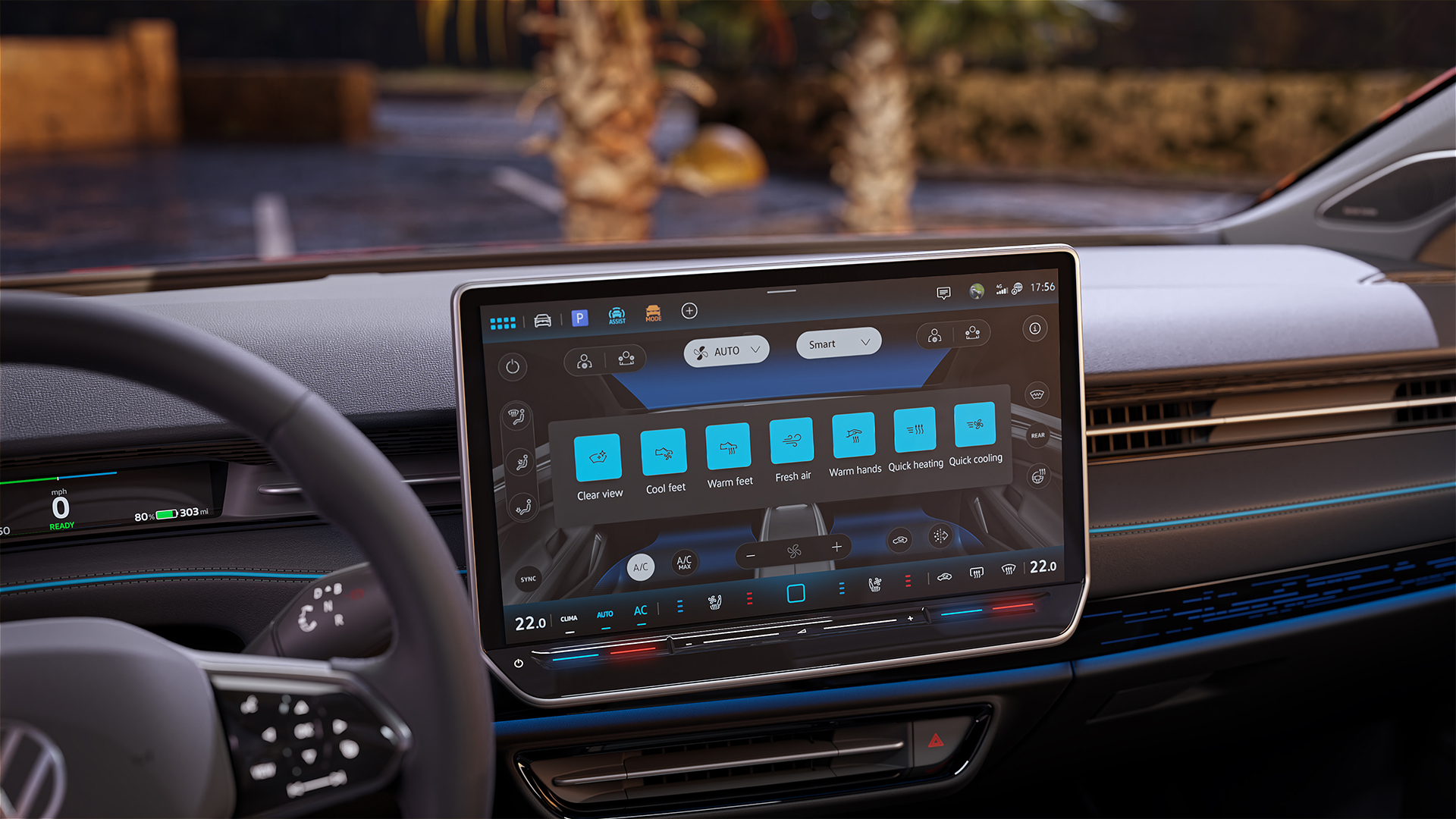
Bilkul bhi shocking nahi hai, especially agar aapne kabhi drive karte time playlist change karne ya AC adjust karne ka try kiya ho, but ek new study confirm karti hai ki car drive karte hue touchscreen infotainment system mein options find karna sitrf irritating hi nahi, rather actually dangerous bhi hai.
Past 2 decades mein, bigger tablet jaise screens ne gradually traditional buttons or knobs ko side mein kar diya hai or other cases mein toh bilkul remove hi kar diya, jaise Tesla models mein. Nowdays manufacturers apne massive digital displays ko proudly ek major selling point ke position par advertise karte hai.
Ab ek study, jo University of Washington (UW) or Toyota Research Institute ne ki hai, usne wahi baat numbers ke saath prove kar di hai jo hum pehle se jaante the. Driving ke time ye screens use karna kaafi zyada distracting hota hai or dangerous bhi ho sakta hai.
The Hidden cost of screen first Interiors
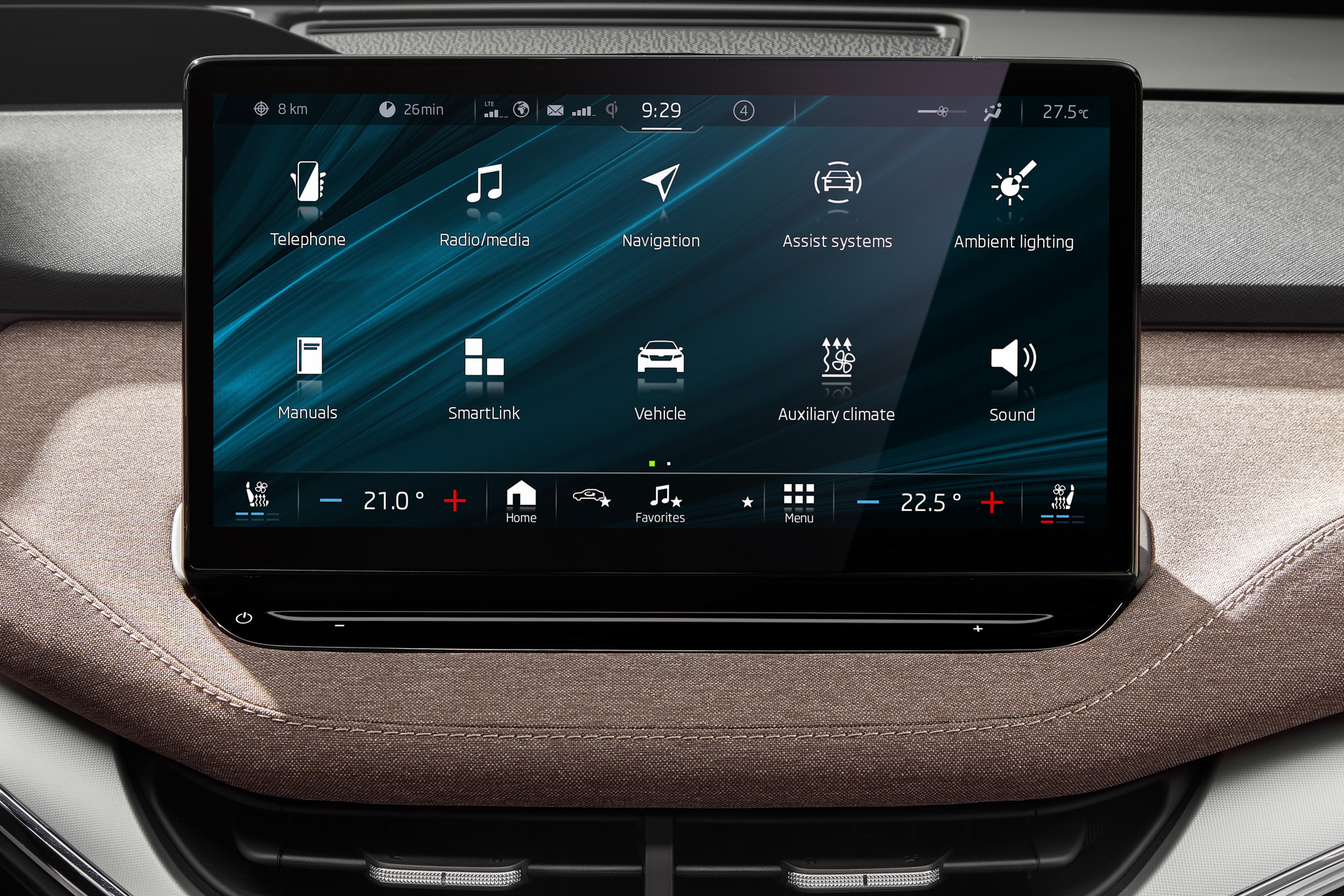
Image Courtesy: Skoda
Ye research, jiska title hai 'Touchscreens in Motion: Quantifying the Imapct of Cognitive Load on Distracted Drivers', September 2025 mein publish hui thi, or ye 38th Annual ACM Symposium on User Interface Software and Technology ke proceedings mein aayi thi.
Sixteen participants ko ek high-fidelity driving simulator mein experience karne ke liye unhe seat par bithaya gaya, jahan researchers unki eye or hand movements, pupil dilation, or skin conductivity track kar rahe the, matlab kaise dekh rahe hai, hand kaise move kar rahe hai, or body ka response kya hai.
Drivers ko bola gaya tha ki car ke touchscreen ke saath interact karein or kuch memory based tasks complete karein, so that pata chal sake mind pe kitna load aa raha hai. Pupil size or skin ke electrical responses se ye measure kiya gaya ki brain kitni hard work kar raha tha.
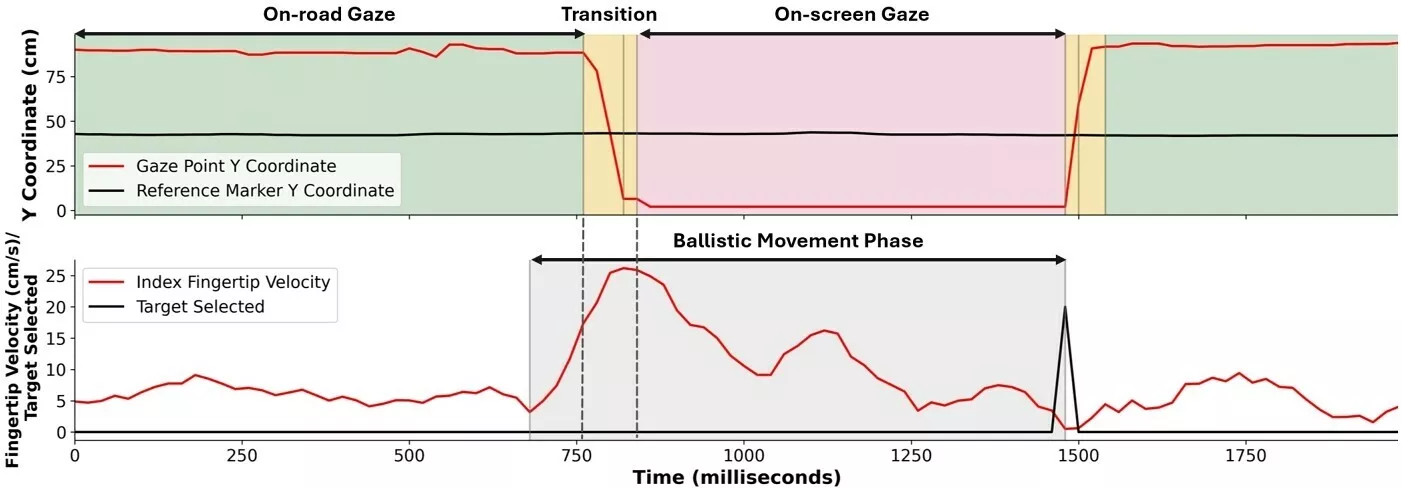
Image Courtesy: Car scoops
Simple words mein kehein so, jab drivers se kaha gaya ki driving ke saath-saath touchscreen pe normal task karein, so unki driving bhi worse ho gayi or screen pe sahi se focus karne ki accuracy bhi reduce ho gayi. Aur jitna zyada complicated task hota gaya, utna hi zyada performance down chala gaya.
And Yes, yahan baat texting ya doom-scrolling ki nahi ho rahi. Study un normal daily things par focus karti hai jo car makers expect karte hai ki drivers digital menus ke through karenge, jaise audio adjust karna, messages send karna ya sunna, ya media navigate karna.
Jo work pehle ek knob ya button se ho jaata tha, ab uske liye ek saath eyes, hands or brain sab ussi touchscreen par saara focus jaata hai.
Insights from the Simulator
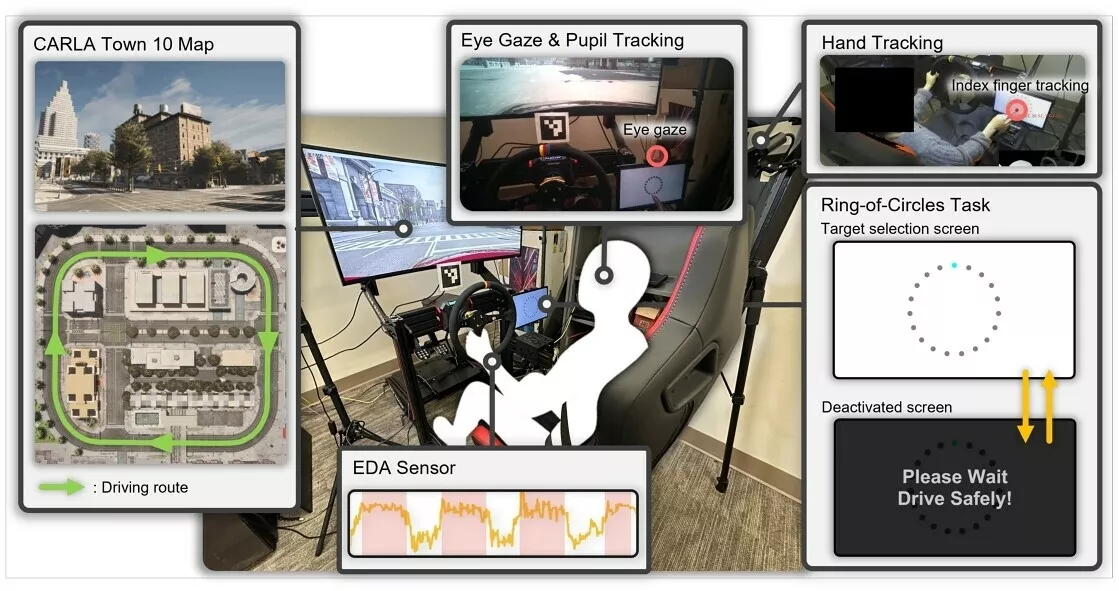
Image Courtesy: Car scoops
Participants ek simulated city ke through drive kar rahe the or saath-saath touchscreen bhi use kar rahe the. Researchers ne driver performance or body responses dono ko measure kiya, jaise eyes ki movement, steering kitna stable tha, reaction time, or stress ke signals.
Jo audience tablet-type infotainment systems like karte hai, unke liye results kuch sepecial nahi the. Car drive karte time touchscreen use karne se pointing accuracy or speed non-driving condition ke comparison mein 58% se bhi zyada reduce ho gayi.
Saath hi, jaise hi touchscreen use karna start hua, lane se deviation ka rate 40% se zyada increase ho gaya. Simple words mein, drivers na sirf driving mein worse ho gaye, rather screen use karte time bhi proper focus nahi rakh paaye.
What are the solution?
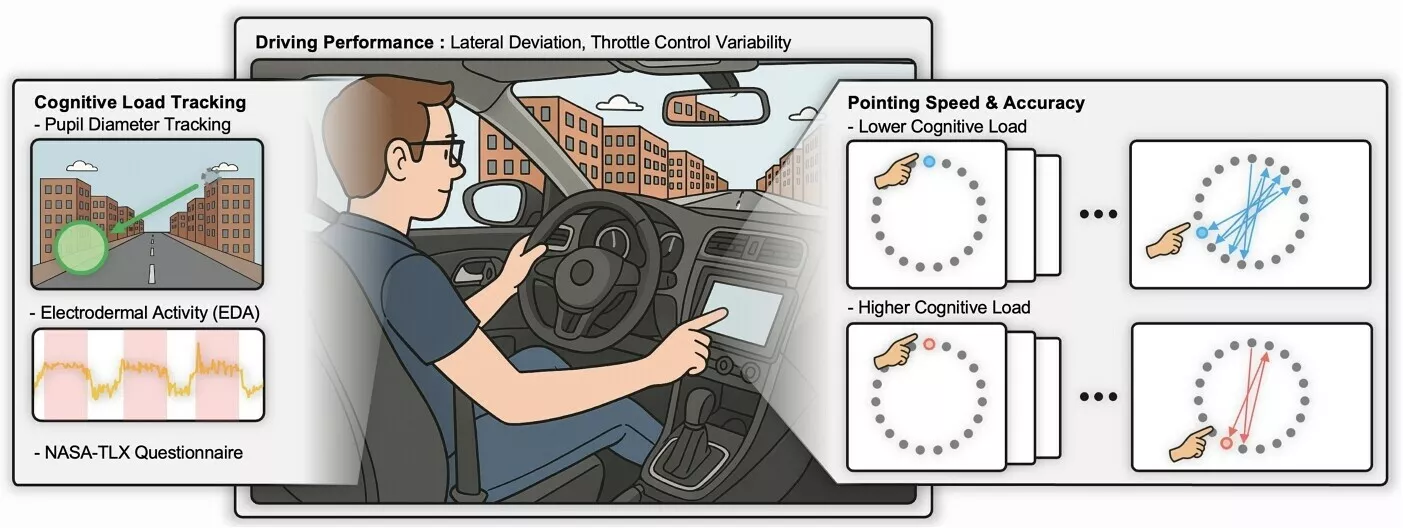
Image Courtesy: Car scoops
Lagta hai ki simple solution ye hai ki bas physical buttons le aao. Par honestly wo time ab maybe nikal chuka hai. Haan, kuch car makers thode-bahut physical buttons wapas laane ko ready hai, but screens itni affordable or manufacturers ke liye use or sell karne itna easy ho gaya hai ki future mein bhi cars mein unka major role rehne wala hai.
To phir automakers apni safety kaise better bana sakte hai? Study ke paas iske liye kuch ideas hai.
Sabse pehle, ye suggest karta hai ki car makers driving ke time jo functions repeatedly use hote hai, unke liye menus less karein. Matlab un features ka direct access screen par hamesha visible ho, so that repeatedly menus mein na jana pade.
Finally, unka believe hai ki car companies load-sensitive systems use kar sakti hai jo driver ke high mental load do dect karein. Phir system unke according react kare, jaise kuch features ko thodi der ke liye limit kar dena ya driver ko alert karna ki thoda or road par focus important hai.
Ultimately same conclusion comes out ki interfaces ko is basis pe design karna chahiye ki public actually kaise behave karte hai, na ki jaise automakers chahte hai audience behave karein.