
Car companies ko pata hai ki drivers ke liye car drive karte time har beep ka matlab samajhna almost impossible hai. Aaj kal itni zyada driver assistance technologies aa gayi hai ki kisi bhi sound ka exact meaning understand karna difficult ho gaya hai.
That's why most of the manufacturers ne ek standard approach adopt kar li hai, because unhe pata hai ki drivers har ek warning light ka matlab yaad nahi rakh sakte jo instrument panel pe blink karti hai.
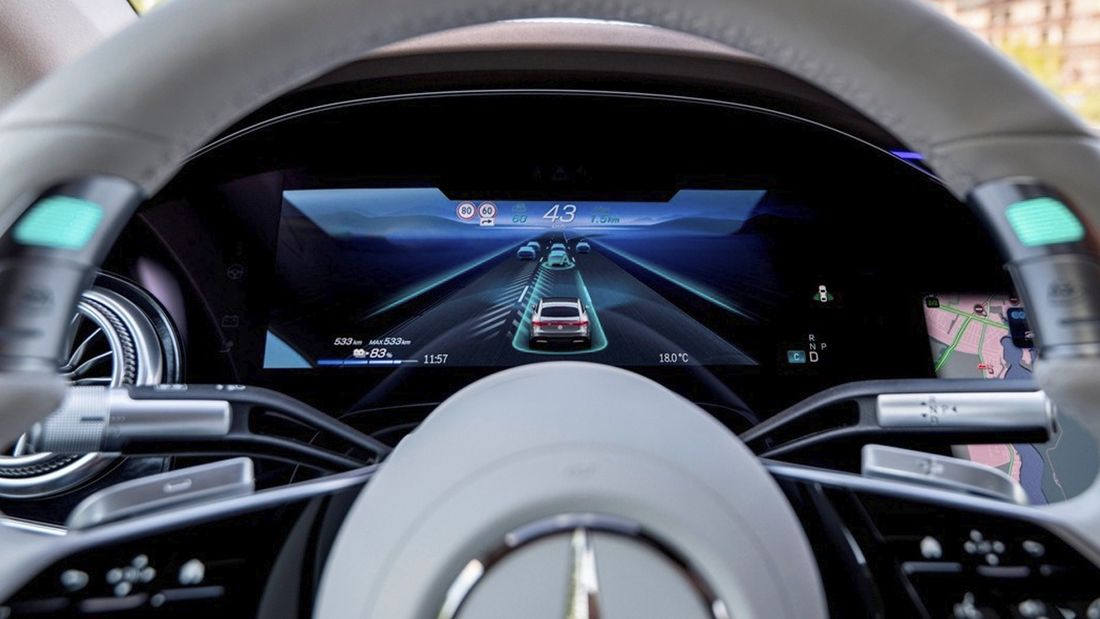
Image courtesy: Motor.es
Risk ka level itna hota hai ki drivers ko warn karne ke liye warning sign dena hi ek option reh jaata hai. Isliye kuch cars mein jo lane departure warning system hota hai, aapne maybe notice kiya hoga ki seat mein slight vibration feel hota hai.
Yeh basically ek warning hoti hai jo indicate karti hai aapki car lane markings cross kar rahi hai, so that aap by mistake oncoming lane mein na chale jayen. Kuch or cars mein manufacturers ne ye vibration steering wheel mein dena prefer kiya hai.
China harnesse the potential of scents for road safety
Both are valid solutions, but drivers ko dono hi zyada pasand nahi aate. Kabhi kabhi consumer or zyada panic ho jaate hai or ek or mistake kar dete hai, jo dangerous ya even fatal bhi ho sakti hai.
Chengdu University ki research ke according, driver ke time active safety ko improve karne ka ek interesting way find kar liya hai, or wo hai smell ka use karna, jo kaafi unexpected lagta hai.
Is study ke findings yeh suggest karte hai ki fragrance ya smell stimulation driver ki alertness ko kaafi increase kar sakta hai, matlab ek simple sa air freshner bhi road safety ke liye kaafi useful tool ban sakta hai.
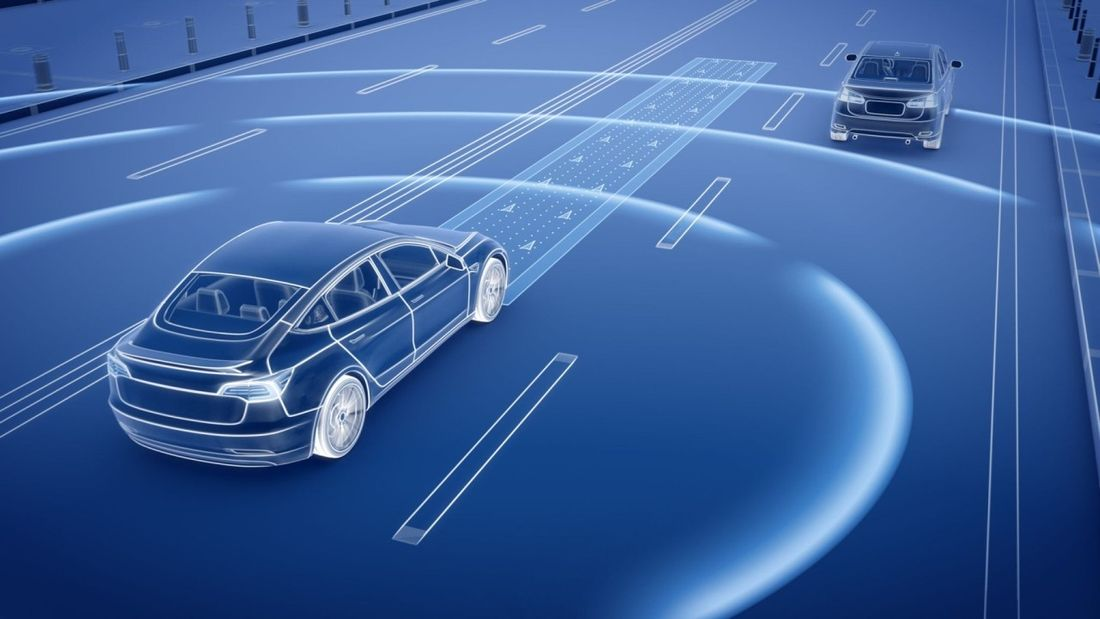
Image courtesy: Motor.es
For example, highway pe jab tum high speed pe drive kar rahe ho, so mint kaafi useful hota hai, yeh tumhare brain ko us boring, drowsyness wali feeling mein jaane se rokta hai jo long straight roads pe aa jaati hai.
And jab traffic heavy ho or stress high ho, tab bergamot help karta hai, yeh blood pressure ko thoda control karta hai or tumhe calm rakhta hai.
Two different situations, two different fragrances, par goal ek hi hai, tumhe safely tumhari destination tak pahunchana.
Current capabilities of modern cars
Modern driver assistance systems kaafi years se isi problem ko different ways se solve karne ki try kar rahe hai. Driver fatigue detection, jo ab Europe mein sell ki ja rahi most of the new cars mein already hota hai, because 2022 se GSR2 regulation ke under mandatory hai, steering ka use kaise ho raha hai, braking pattern kaisa hai, or car kis trajectory pe chal rahi hai, in sab ko analyze karta hai so that fatigue ke early signs detect kiye ja sake.
Jab system ko lagta hai ki driver ka focus reduce ho raha hai, so woh ek sound or visual alert deta hai, or kaafi cases mein break lene ki bhi suggestion deta hai.
Isko ek step further le jaate hue, ab driver monitoring cameras bhi aate hai, jo Volvo, Mercedes Benz or Subaru jaise brands ne popular kiye hai. Yeh systems real-time mein eyes ka movement check karte hai, jaise eyelids kitni clos ho rahi hai, gaze direction kidhar ja rahi hai, or blink rate kya hai.
Agar system ko lagta hai ki driver ki eyes close ho rahi hai ya woh kaafi time tak road se focus hata rahi hai, so yeh immediate action lete hai, jaise seatbelt tight kar dena, gentle braking, ya phir zarurat padne par car ko safely side mein rok dena, bilkul emergency stop assist ki tarah.
Autonomous emergency braking, lane keeping assist or adaptive cruise control milke ek strong active safety system banate hai, jo apne advanced versions mein highway pe almost supervised driving experience de dete hai.
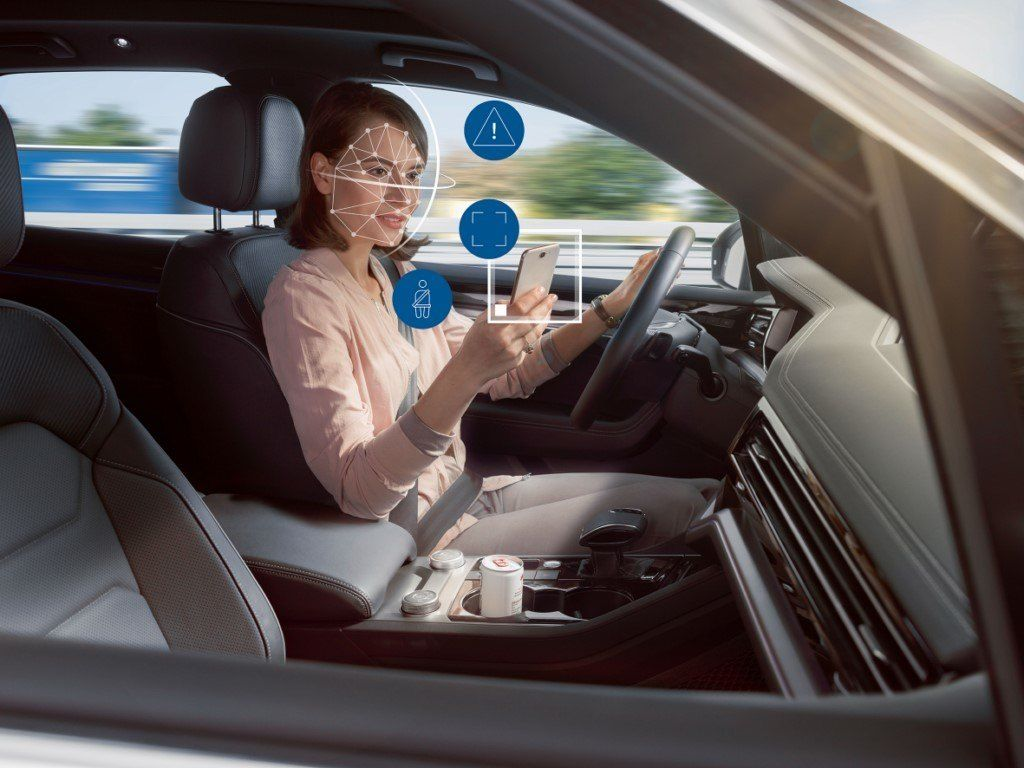
Image courtesy: Motor.es
But ek common problem hai in sab systems mein, yeh fatigue ke results pe react karte hai, fatigue khud pe nahi.
Aroma as an additional security layer
Yahin pe Chinese study ka concept kaafi interesting ho jata hai. Premium brands jaise Bentley or Genesis kaafi time se aromatherapy ko ek selling point ke form pe use kar rahe hai, but mostly comfort or luxury ke liye.
But yeh study pura approach hi flip kar deti hai, kya ho agar car ka system, apne existing sensors se tumhari fatigue level detect kare, or sirf beep karne ke instead automatically ek specific fragrance activate kar de, wo bhi tab, jab situation critical hone se pehle hi?
Integration technically itna complex nahi hoga. Data already available hai, camera fatigue detect kar leta hai, steering wheel sensor bhi bata deta hai ki attention lose ho raha hai, so us info ke basis pe diffuser activate karna kaafi logical step hai. Yeh ek extra, non-invasive layer hogi jo tab response karegi jab situation itni serious hone se pehle hi handle ho jaye, warna phir car ko brake karna ya seatbelts tight karni padti.
Experiment ka sample size kaafi small hai, sirf 34 participants ek simulator mein, and abhi production level pe aane mein kaafi time lagega. But idea industry ke direction ke saath naturally fit hota hai, aise systems jo sirf react nahi karte, rather pehle se anticipate bhi karte hai.
Is context mein dekha jaye so ADAS itna bhi unrealistic nahi lagta. Kuch time pehle tak automatic emergency braking bhi kaafi far-fetched lagta tha.