
Pehle China European carmakers ke liye bilkul goldmine tha. Wo log wahan jaate the, kisi local manufacturer ke saath partnership karte the (jaise Chinese government se directly linked "Big Four" companies), or phir ek fast growing market ke liye models develop karna start kar dete the. Production bhi Europe ke comparison mein kaafi cheaper hoti thi. Ye goldmine decades tak chala, 1980s se leke almost abhi tak, basically.
Haan, ab to some extent wo sab over ho chuka hai. China bahut hi fast pace pe evolve hua hai, especially technology ke sector mein. Ab Chinese buyer ko Chinese car chahiye, Chinese brand chahiye, Chinese technology chahiye, or agar possible ho then electric ya plug-in hybrid bhi (jise wahan "new technology" bolte bolte hai, jiska registration process traditional cars se kaafi fast hota hai).
Iska direct or big impact pada hai European manufacturers ke profits par, especially German companies par.
The new search for the Indies
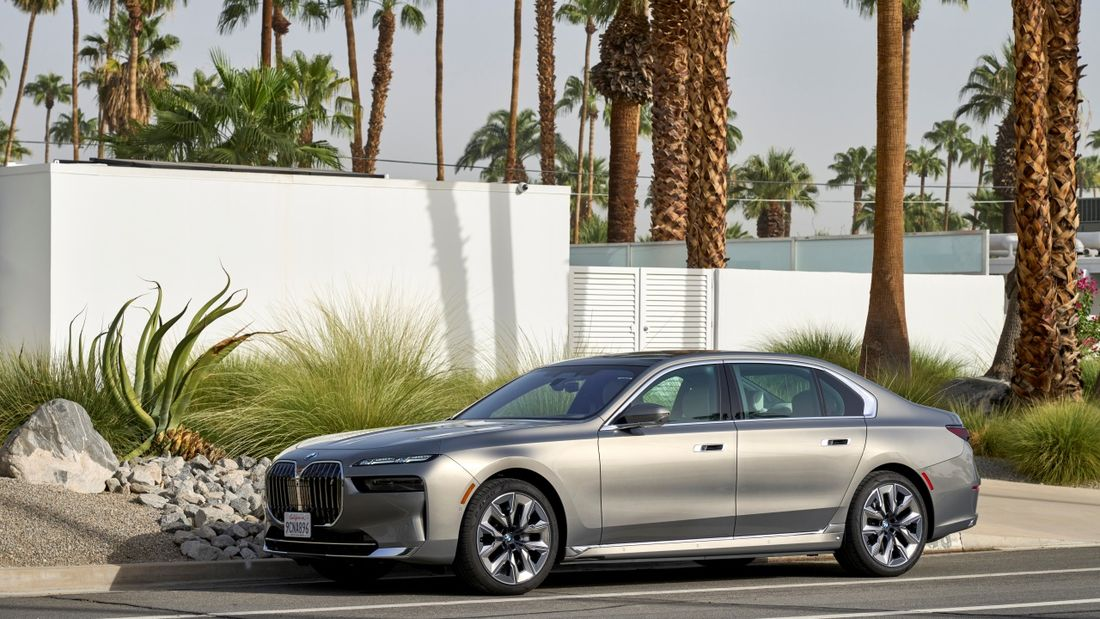
Haan, business ko restructure karna important ho gaya hai, because Covid-19 ke baad European market ka overall volume hi reduce ho gaya hai. And from above energy transition chal rahi hai, so both jointly profit margins par heavy loss ka ek proper "cocktail" bana rahe hai.
Iska direct impact new cars ke liye technologies mein invest or develop karne ki capacity par pad raha hai, or obviously factories ki health or sector mein work karne wale thousands of workers ki job stability par bhi.
Is situation ko dekhte hue, European Union ko kuch action lena hi pada, sirf 2035 ke emission rules (CAFE) thode relax karna kaafi nahi tha. Isliye EU ne India ke saath ek agreement kiya hai, jiske baad agreement implement hote hi European cars ko pehle se kaafi zyada favorable tariffs par export kiya ja sakega.
A distinct situation from China
So kya iska matlab hai India new China ban raha hai?
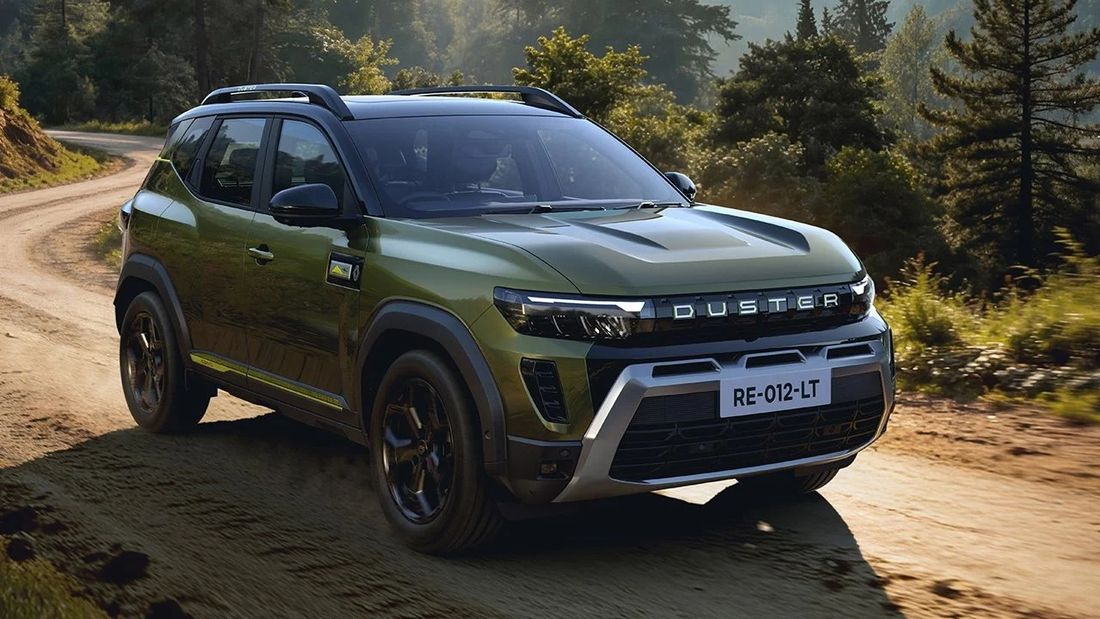
Nahi, is sense mein nahi ki production specially yahin plan ki ja rahi ho, actually ye kaafi time se ho bhi raha hai (jaise Renault ne few days before India mein Duster update ki hai).
Haan, is sense mein zaroor ki export ka role kaafi big ho gaya hai, especially lot's of brands ke liye, jaise Volkswagen Group, BMW, Mercedes Benz or others.
China or United Sates ke baad, India world ke biggest markets mein se ek hai, jahan every year around 44 lakh vehicles register hote hai. Inmein se around 40% market Maruti Suzuki ke paas hai, means around 17 lakh cars. Hyundai ka bhi kaafi strong hold hai market mein. Uske baad Tata or Mahindra jaise local brands aate hai, jo Toyota, Volkswagen, Honda, SAIC, Renault or Nissan jaise global giants ko bhi sales mein beat kar dete hai.
Maruti Suzuki's complete dominance
Isliye market mein low priced Maruti, Tata or Hyundai ke models hi dominate karte hai.
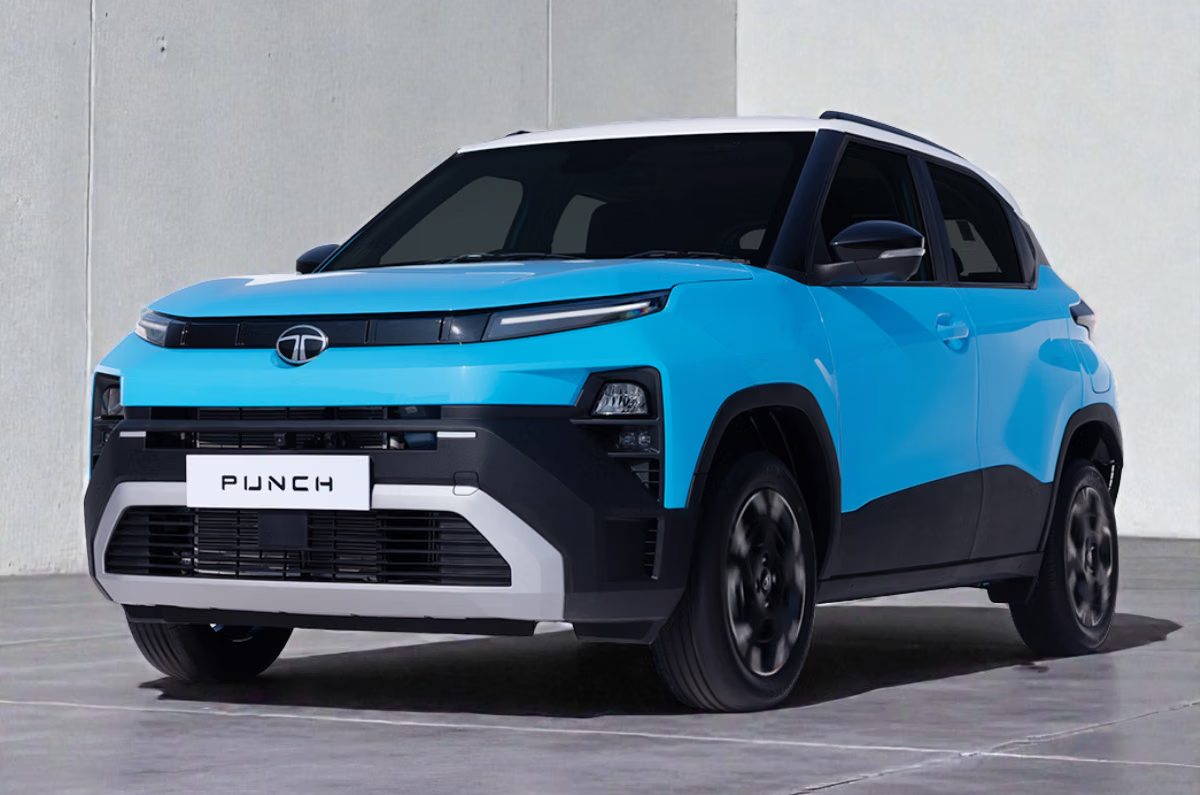
For example, 2024 mein most selling car Tata Punch (small SUV) thi, jo Maruti Wagon R, Ertiga or Brezza se bhi zyada sell hui. Other top seller mein Maruti Swift or Baleno bhi hai, jo obviously Europe mein jo Suzuki Swift or Baleno ke name se known hai, same models hai.
Wo trend change hone ke chances kaafi unlikely hai. But agar tariffs reduce hote hai, then sales definitely boost ho sakti hai, especially ab jab luxury cars par duty 110% se direct 30% ho rahi hai. €35,000 (Rs. 38 Lakh) se €50,000 (Rs. 54 Lakh) wali car par bhi same cut apply hoga. Haan, both of the price brackets mein imports limited rahenge: year ke around 33,000 units. Aur jo car €15,000 (Rs. 16 Lakh) se €35,000 (Rs. 38 Lakh) ke between aati hai, unke liye tariff 35% hoga, or unka annual import cap 34,000 units rahega.
A niche to breath
Ye important kyun hai? India mein luxury cars ka market kaafi niche hai, 1% se bhi less. But upper class public mein demand gradually increase ho rahi hai, especially jo log large homes or rich society mein rehte hai or already expensive luxury things use karte hai. Is agreement ke implement hone ke 10 years baad, all 3 categories ka combined limit increase ho kar total 1,60,000 units per year ho jaayega.
2025 registrations ke case mein kaafi positive raha, although sector ke liye year kaafi tough tha. But jo cost cutting measures pehle adopt kiye gaye the, unka effect 2026 se dikhna start ho jana chahiye. Agar agreement plan ke according chala, then medium term mein thoda relief milegi.
Annual savings of 4 billion
LinkedIn pe ek post ke according, Stephane Sejourne, jo European Commission ke Executive Vice-President hai (Prosperity or Industrial Strategy ke liye), unka kehna hai ki European manufacturers ko tariffs mein average around €4 billion per year ki saving hogi.
Iska kaafi big impact padega, especially fully built cars jo Europe shipped ki jaati hai, or assembly ke liye kits par bhi, jismein roughly 75,000 kits per year ka figure ho sakta hai.
Should Indian Automakers concerned about European invasion
Around 18 years ki negotiations, endless meetings or tough bargaining ke baad, finally India or EU ne "mother of all deals" crack kar li. 28 january ko India-EU Free Trade Agreement (FTA) announce hua. Is deal ke under, EU se shipped hone wali cars par basic custom duty 70%se gradually 10% tak reduce ho jayegi.
Abhi Indian auto experts ye understand karne ki try kar rahe hai ki is deal ka actual benefit kya hoga, but ye recently hui UK-India FTA se 2 major ways mein more important hai.
First, Europe ki automotive industry kaafi large or deep hai, whereas UK ki car industry comparatively small hai.
Second, India mein imported kits se assemble hone wali cars par impose duty bhi future mein almost half ho sakti hai.
Iska matlab ye hai ki Mercedes Benz or BMW jaise brands ki luxury cars, whether wo fully imported ho ya India mein assemble ho rahi ho, unki prices reduce ho sakti hai.
And now the question is , kya ye Indian car makers ke interest ke against jaayega?
Mahindra ke CEO Anish Shah ka kehna hai ki zyada disruption nahi hoga. Unke words mein, "Isse Indian auto industry ke competitive dynamics change nahi honge."
SIAM ke president or Tata Motors Passenger Vehicles ke MD & CEO Shailesh Chandra ne kaha, "Hum auto industry ke perspective se FTA ke detailed terms ka wait kar rahe hai."
Wahin other side, European carmakers kaafi positive hai.
Skoda Ato Volkswagen India (SAVW) ko lagta hai ki FTA se zyada options open honge. SAVW ke MD & CEO Piyush Arora kehte hai ki predictable trade framework ki wajah se wo more European models India laane ka evaluate kar paayenge. Isse long term mein technology transfer, capability building or investment ko bhi boost milega.
Renault Group ne bhi same optimism show kiya. Renault Group India ke CEO Stephane Deblaise kehte hai ki ye deal EU or India both regions mein unke long term investment confidence ko or strong karti hai.
So kya lower duties ka matlab hai European cars India mein zyada sell hogi?
Industry bodies jaise SIAM, ACMA or FADA ka assumption hai ki ye deal European investment ke liye enviornment ko or friendly bana degi. EU ke paas kaafi technology rich companies hai, jisse India ko deeper tech collaboration ka benefit mil sakta hai.
Ek senior auto executive (name disclose nahi kiya) ke according, FTA Rs. 25 lakh-Rs. 60 lakh segment mein small volume, high end European cars ke liye opportunity create kar sakta hai, ye wo space hai jo mass market or luxury ke between almost empty hai.
Problem ye hai ki European cars ke specs different hote hai, or Indian buyers ab tak sirf European quality ke liye extra premium dene ko ready nahi rahe. Isi reason se Skoda Kushaq, VW Taigun or Virtus jaise models India-specific built kiye gaye the (India 2.0 programme ke under).
Unka kehna hai, European brands low cost game mein strong nahi hote, whereas Indian manufacturers ne ADAS jaise features bhi kaafi affordable price mein offer karna seekh liya hai. "Hum Indians ko fully loaded cars chahiye, sunroof, features, sab kuch, wo bhi affordable price pe," wo kehte hai.
Ek brokerage analyst ke according, Indian or European buyers ki priorities different hai. Europeans fit, finish or driving pleasure pe focus karte hai, whereas Indians infotainment, lighting or sunroof jaise features ko more importance dete hai. Agar India mein future mein koi mass premium segment emerge hota hai jo European strengths ko value kare, tab hi expensive European cars ka market really grow karega.
Auto industry expert Avik Chattopadhyay kehte hai ki Rs.30-Rs.70 lakh ke price bracket mein Indian customers ke paas options limited hai. FTA se premium passenger vehicle market open ho sakta hai, or Europe ke under utilised plants ko bhi export volumes mil sakte hai.
Unka believe hai ki Mahindra XUV7X0, Tata Harrier & Safari, or Toyota Fortuner ko European competition face karni pad sakti hai. Skoda-VW or Renault ko wo best positioned maante hai, because unki Eastern Europe (Romania jaise countries) mein low cost manufacturing presence hai. Wahan production cost India se sirf 15-20% zyda hoti hai.
But ek big challenge hai, service. India service oriented market hai. European automakers ko strong service network, assured buybacks, service packages, 8 year unlimited km warranty, roadside assistance or wide service reach build karni padegi.
Abhi India CKD (Completely Knocked Down) cars par 16.5%duty lagata hai (agar engine/gearbox pre-assembled nahi hai) or SKD (Semi Knocked Down) cars par 35% duty. FTA ke baad ye duties half ho sakti hai. CKD (Completely Knocked Down) duty 16.5% se down ho kar around 8.5% aa sakti hai, jo European brands ke liye short term mein attractive option hai.
Around 2032 tak, jab fully built European cars par duty 10% ke around aa jayegi, tab European brands local players ke against competitive ho sakte hai. Haan, India ne 250,000 cars per year ka cap lagaya hai, or realistically EU imports 1 lakh units ke around hi rahenge.
Exports ki baat karein then, FTA ke under India ka export quota EU se 2.5x zyada hoga, or Indian cars ko duty free access milega. But abhi India EU ko zyada cars export nahi karta, or wahan manufacturing base bhi strong nahi hai.
Hyundai apni Turkey or Eastern Europe factories use karega, whereas Maruti Suzuki EVs export karne ka plan kar raha hai (jo pehle 5 years FTA mein cover nahi hogi). Petrol/diesel car exports EU ko abhi limited hai.
Auto components par bhi impact hoga, abhi India mein 7.5-15% import duty lagti hai, or EU mein Indian components par 0-8% duty. Agar ye duty free hota hai, then USD 12 billion+ annual trade or increase ho sakta hai.
Two wheelers par duty 6-8% se 0% ho sakti hai, jo Indian manufacturers ke liye good news hai.
But ek concern bhi hai South Africa. Reports ke according South Africa, China or India se shipped hone wale vehicles par 50% tak tariff lagane ka plan kar raha hai. FY25 mein India ne wahan USD 1.2 billion+ passenger vehicles export kiye, jisme Maruti Suzuki ka large share tha. Agar ye tariffs impose hote hai, So India-EU FTA ke excitement ke beech mood thoda dampen pad sakta hai.