
Yes, maybe end tak aate aate tumhein laga hoga ki ye bhi koi or electric motor hi hai, but aisa nahi hai. Ye actually ek combustion engine hai, par is se emissions bilkul nahi generate hote, or mechanical parts ka wear and tear bhi kaafi hota hai.
Nowdays ye almost impossible lagta hai, because petrol ya diesel engines, especially, ab pehle jaise nahi rahe, jo practically unbreakable hote the or lakhs of kilometers tak bina problem chal jaate the.
Nowdays engines ki long life unki strongest point nahi rahi, but phir bhi kuch interesting solutions exist karti hai. Unmein se ek hai Stirling engine.
Ye mechanical engineering or heat engines ka ek amazing example hai. haan, waise truly efficient engines aaj-kal electric hi hote hai. Stirling engine ko Robert Stirling ne invent kiya tha or iska first patent 1816 mein mila tha.
Dekhne mein ye engine itna simple lagta hai ki almost toy jaisa feel hota hai, but reality mein aisa bilkul nahi hai. Iske creator ke version ne 37 hp tak ki power produce ki thi, jo kaafi impressive hai.
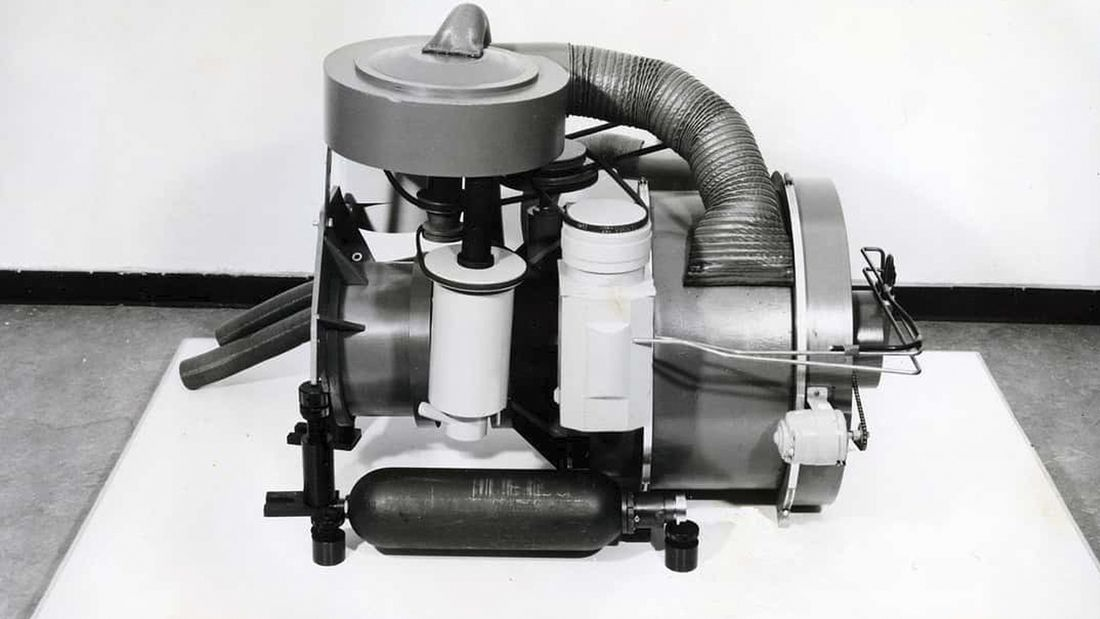
Image Courtesy: Motor.es
The Stirling engine is surprising in its technical simplicity
Most interesting thing is how it works. Or ye koi combustion engine nahi hai, rather ek thermal engine hai. Iska petrol ya diesel jaise traditional fuels ki need nahi hoti. Ye sirf temperature ke difference se hi energy generate karta hai. German sources ke according, is engine ke inner koi bhi internal combustion process hota hi nahi. Instead, isko ek closed cycle pe design kiya gaya hai jisme ek working gas use hoti hai.
Or ye gas to some extent hydrogen ho sakti hai, but oxygen jaise or gases bhi use ho sakti hai. Basically, Stirling engine efficiency ke principle pe work karta hai, hot or cold temperature ke between ka difference use karke mechanical work generate karta hai. Technically ye energy nahi hoti, but kisi object ko move karne ke liye ye important hoti hai.
Ab ye technical difference side rakh dein, then jo gas fuel ke form pe use hoti hai, usse ek closed system ke under heat or cool kiya jata hai. Jab gas high temperature ke contact mein aati hai, so wo expand hoti hai or saath hi ek component pe kaafi zyada pressure daalti hai.
As a fuel, a gas that does not generate emissions but does generate energy
Jab temperature low ho jata hai, then pressure bhi decrease ho jaata hai. So ye jo expand or compress hone ka continuous cycle hota hai, wahi heat energy ko mechanical work mein convert kar deta hai.
Jaise aap dekh dekh sakte ho, iska effect maximum hota hai, or efficiency bhi kaafi high hoti hai. Or jo cheez is Stirling engine ko itna efficient banati hai, wo hai regenerator.
Basically, ye ek wire mesh hota hai jo heat ko trap kar leta hai or usse store karke after that reuse karta hai. Agar ye component na ho, so almost saari generated heat waste ho jaayegi.
Is closed system ki wajah se efficiency milti hai. Jo normal internal combustion engines fuel pe chalte hai, wo exhaust gases generate karte hai, or unmein se quite a lot waste ho jaati hai. Haa, kuch gases turbocharging system mein reuse hoti hai, but not all of them. Yahi main difference hai combustion engine or is Stirling engine ke beech, Stirling engine completely sealed rehta hai.
Isliye jab koi emissions release nahi hote, then emissions zero hoti hai. Or not just that, components pe wear and tear bhi reduce hota hai, jiska matlab hai engine ka lifespan longer rehta hai.
Stirling engine ka working kaafi curious or interesting hota hai, but problem ye hai ki iska koi real use combustion engine cars mein nahi hai, or na hi electric vehicles mein. Inko practical banana kaafi expensive hota hai, itna expensive ki effort worth it nahi lagta. Maybe future mein very small or cheap extended range EVs (EREVs) ke liye ek solution ho sakta hai, but tab bhi chances kaafi unlikely hai.