
Spain mein new car registrations dekhne par clear dikhta hai ki diesel ka craze gradually reduce ho raha hai, jo kabhi Spanish roads ka king tha. Saath hi hybrid cars ka market share, especially mild hybrids (HEVs), steadily increase ho raha hai.
December 2025 mein Anfac ki report ke according, jo DGT (Spain ka traffic department) ke data pe based hai, Spain mein jo vehicles register hue unmein se 35.30% HEVs (Hybrid Electric Vehicles) the, matlab around half of million, exact fig 4,84,416 cars.
Compare karein then traditional petrol cars ka share 23.66% raha (2024 mein ye 31.60% tha), or diesel vehicles sirf 18.72% rahe (2024 mein 22.99%).
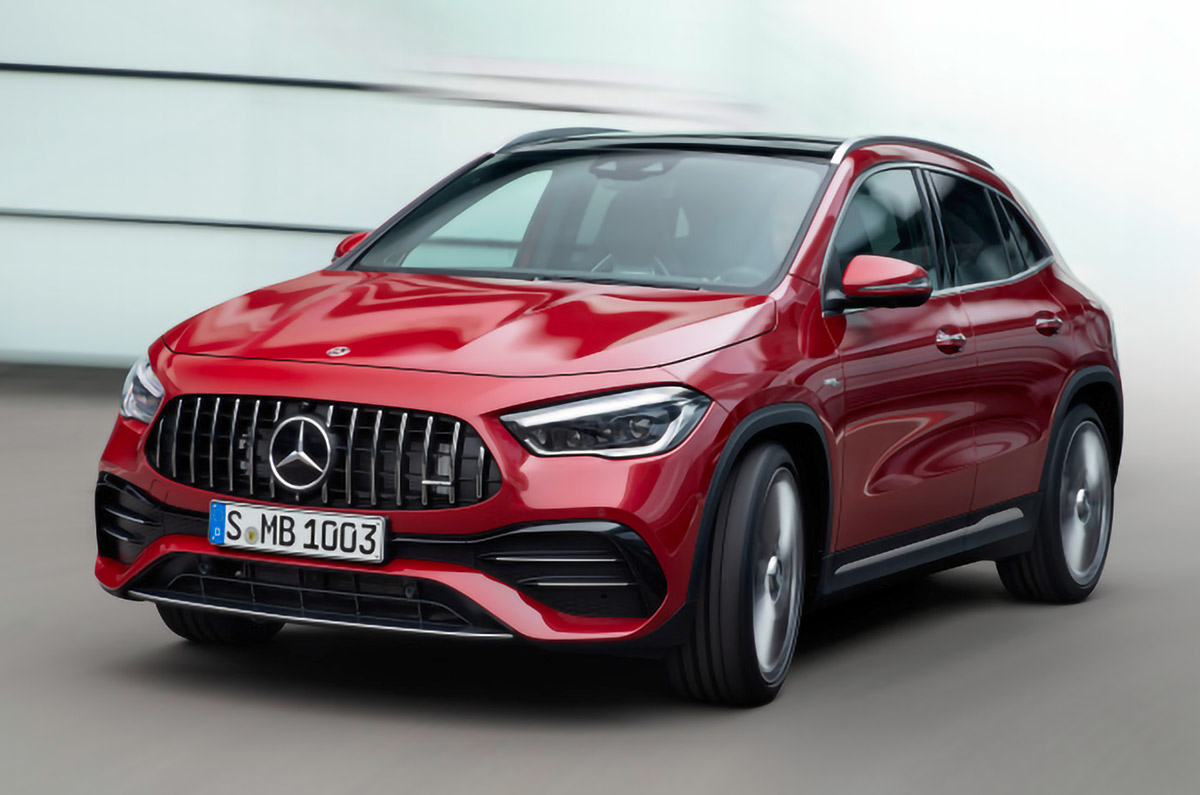
Image Courtesy: Autocar India
Diesel survives, to a large extent, in German cars
Matlab simple terms mein, Spain mein abhi diesel cars ke registration approx. half reh gaye hai jab unhe simple hybrid cars (HEVs) se compare karein.
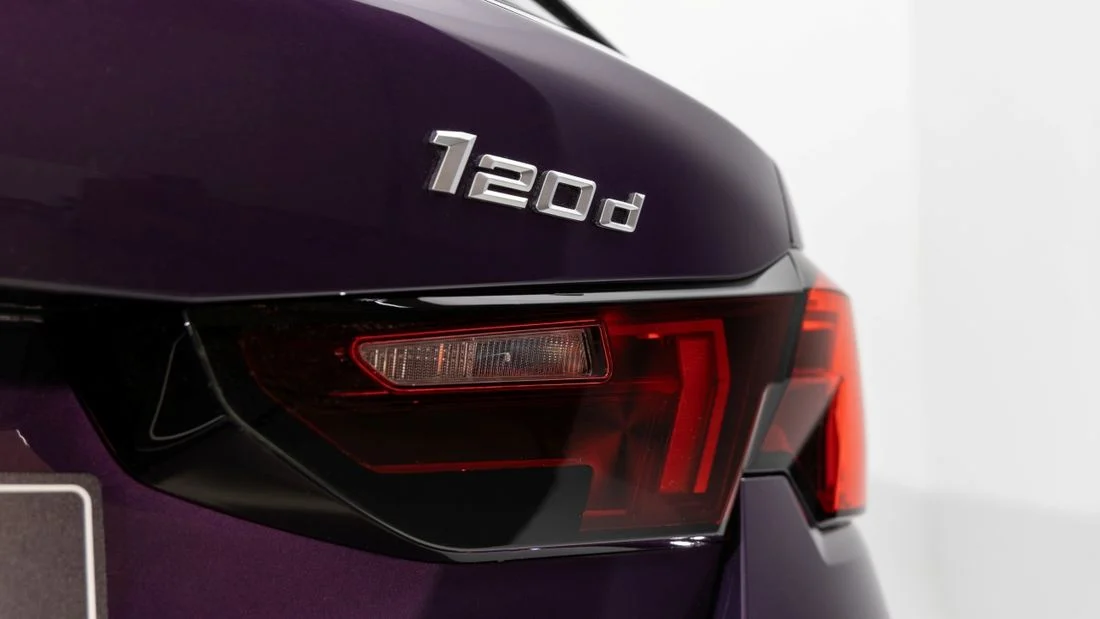
Image Courtesy: Motor.es
Agar sirf passenger cars ki baat karein, then gap or bhi zyada clear ho jaata hai. Mostly HEVs passenger cars hi hai, around 4.8 lakh units, total ka around 42% banta hai. Same diesel passenger cars sirf around 62,000 units hai, yaani total ke bas 5-6%. Aur ye number last year ke comparison mein approx. 35% down ho chuka hai.
Sabse zyada register hone wali diesel cars mein Renault Clio top pe hai, approx 8,000 units ke saath. Uske baad complete German cars ki battalion aa jaati hai. Mostly Volkswagen Group ke cars hai, jaise Audi Q3, Volkswagen Tiguan, SEAT Leon or Volkswagen T-Roc. Saath hi Mercedes Benz ke models bhi hai, jaise GLA or V-Class.
Diesel continues to play a significant role in Audi, BMW and Mercedes
It's quite interesting jab hum 3 German giants ke production figures dekhte hai. German newspapper Handelsblatt ke print edition ke data ke according, wahan diesel vehicles ka production slow hota hua lag raha. In fact, unmein se ek company ke case mein to 2024 ke comparison mein production actually increase bhi ho gaya hai.
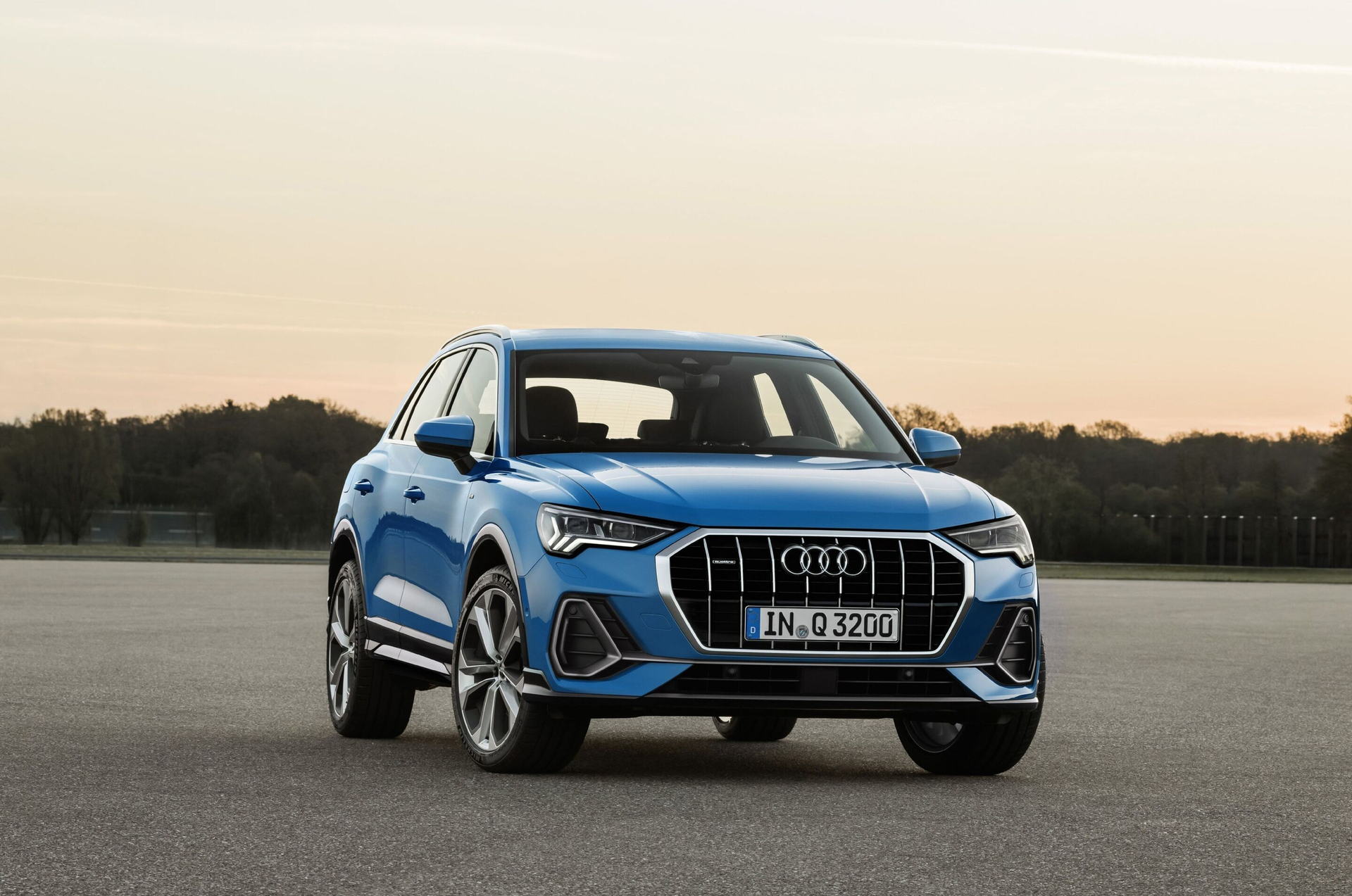
Volkswagen ke case mein, Europe mein Audi ki total sales ka approx. one quater diesel cars ka hai. Audi Q3 iska best example hai.
Spain mein ye 2.0 TDI 150 hp engine ke saath offer hoti hai, Business, Advanced, S-Line or Black Line trims mein, or sab front wheel drive option ke saath aate hai.
Mercedes Diesel cars on the rise in 2025
BMW ke case mein Europe mein ye figure 25.2% tak rise kara hai. Unke kaafi current models, 1 Series se leke X7 tak, diesel engines ke saath aate hai, but mostly actually diesel hybrid hote hai, jinhe Anfac ke according HEVs (Hybrid Electric Vehicles) se jaana jata hai.
Diesel HEVs abhi market ka small part hai, approx. 3.93% total share, means all HEVs ka 10% se bhi less. Phir bhi, BMW abhi kuch models pure traditional diesel engines ke saath offer karta hai, jaise entry level 1 Series 118d, jisme 150 hp milta hai.
Sabse interesting case Mercedes Benz ka hai. Unka diesel models ka market share 29.2% hai, jo past 12 months ke comparison mein 1% zyada hai. Mercedes ke liye GLA sabse zyada popular diesel model hai, uske baad V-Class aati hai.
Boom in Germany despite the memory of Dieselgate
Haan phir bhi ek baat clear hai, diesel ke numbers gradually decline ho rahe hai. Usi German publication ke according, 2025 ke first 9 months mein jo new passenger cars register hui, unmein se sirf every 10 cars mein out of 1 diesel car register thi. Ab manufacturers gradually apni line ups se diesel engines phase out kar rahe hai or unki jagah HEV ya PHEV powertrains la rahe hai, haan, BMW ka approach thoda different hai or sabse common nahi hai.
Phir bhi, ye data German brands ke liye kaafi interesting hai, especially jab socho ki Dieselgate ko 10 years complete ho chuke hai, jisne globally or especially Europe ko shock kar diya tha.
Europe waise toh 2035 ke baad bhi combustion engines ke liye thoda sa scope empty kar raha hai, but emissions ke point of view se wo zyada ek small "ventilation window" jaisa hai. Matlab combustion engines minority mein hi rahenge, or majority people electric cars ki taraf shift ho jaayenge.