
Prestigious Indian Institute of Technology (IIT) Kanpur ka campus India mein French car company Renault ke upcoming new model, second generation Duster ke design or development mein kaafi important role play kar raha hai.
Company ke according, unki design or development teams ne IIT Kanpur ke saath collaborate kiya tha so that wahan ke state-of-the-art NWTF (National Wind Tunnel Facility) ka use karke Duster ke aerodynamics test or validate ki ja sake.
Especially wind noise performance ko tune karne ke liye, is facility mein kaafi extensive tests kiye gaye the.
Renault India bol rahi hai ki unke latest mid size SUV ka Articulation Index (AI) 73% hai, jo is segment mein sabse best hai. Iska simple meaning ye hai ki cabin ke inside NVH (noise, vibration, harshness) ka control kaafi acha hai, means car ke inside noise or vibration bahut less feel hoti hai.
New Duster India mein 17 March ko launch hone wala hai.
"Hamare liye ye bahut pride ki baat hai ki humne country ke top engineering institution me se ek ke saath partnership ki hai. Humne new Duster ki aerodynamics IIT Kanpur ke saath jointly develop ki hai," Renault India ke Chief of Engineering, Vikraman V ne Chennai mein company ke Design Centre par technical product presentation ke during journalists ko bataya.
Articulation Index ek metric hota hai jo ye judge karta hai ki car ke cabin ke inside log kitni clearly baat kar sakte hai.
Agar AI score low hota hai, so this means cabin ki inside outside noise, jaise engine, road or wind noise. Zyada rough, loud or sharp sunai deti hai, jiski wajah se baat karna thoda difficult ho jata hai.
"73 percent ka score basically ye batata hai ki Duster ke cabin ke inside sitting wale logon ke between conversation kitni clear or comfortable hoti hai. Itna high score isliye mila hai because IIT Kanpur ke wind tunnel mein kaafi extensive development kiya gaya tha," unhone add kiya.
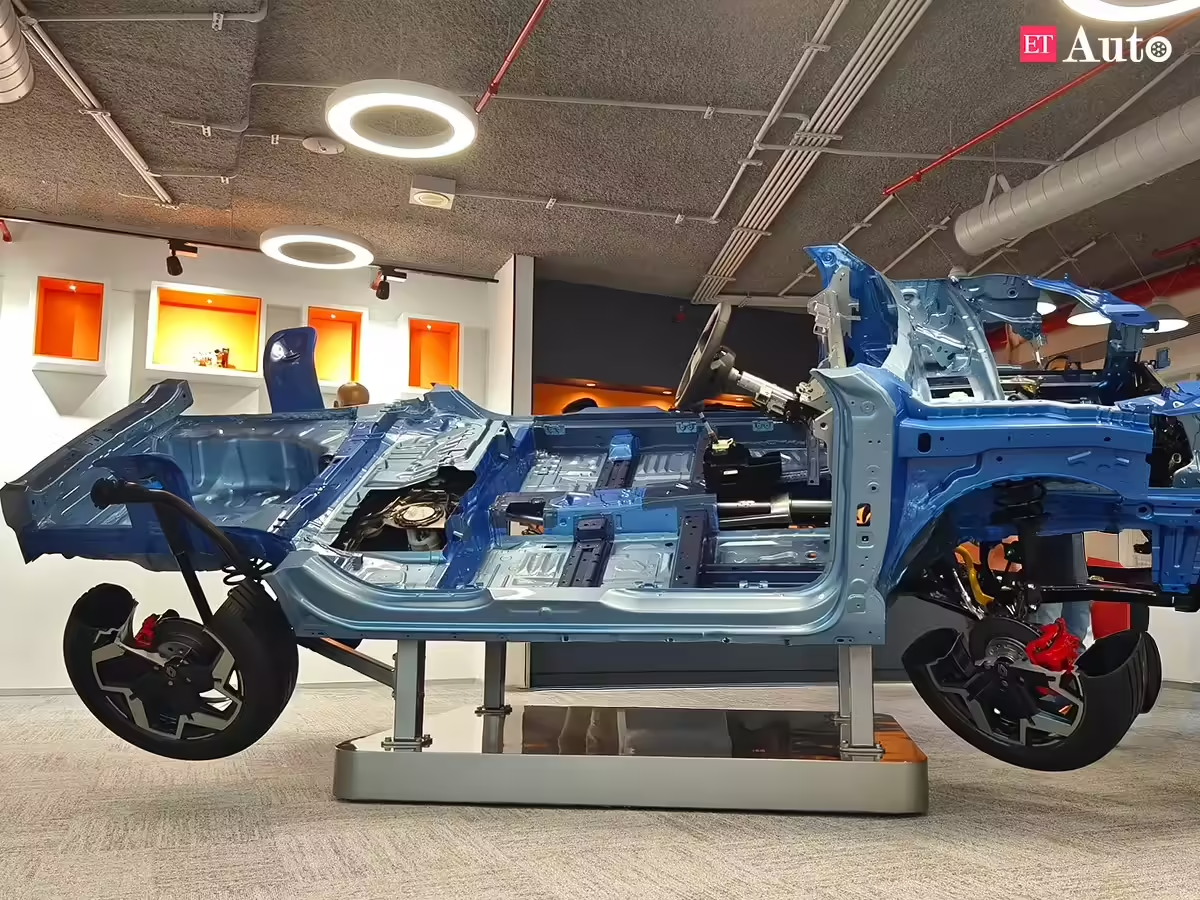
Image courtesy: ETauto
Company ne computer sided engineering (CAE) tools ka bhi kaafi use kiya hai so that new Duster ki aerodynamics digitally design ki ja sake. Iski wajah se upcoming SUV ka drag coefficient around 13% tak reduce ho gaya hai, jo previous generation model ke comparison mein better hai.
Vikraman ne explain kiya ki Indian Duster, jo ek kaafi heavily localised Renault Global Modular Platform (R-GMP) par based hai, global model se around 50mm more tall hai. Ye zyada height mainly higher ground clearance or taller cabin ki wajah se hai.
Unhone ye bhi bataya ki Indian model mein panoramic sunroof add ki gayi hai, jiski wajah se thoda headroom reduce ho jata hai, isliye usko balance karne ke liye cabin ko thoda or tall design kiya gaya hai.
SUV jaise stance ke saath itni achhi wind noise performance achieve karna kaafi massive challenge tha. Isi liye unhe Indian Institute of Technology Kanpur ki expertise leni padi Duster ki aerodynamics develop karne ke liye.
Unhone ye bhi kaha ki new Duster acoustic performance mein apne competitors ko beat karti hai, whether rumbling noise ho, engine noise ho ya rough road noise. In sab metrics mein, cabin ke inside jo overall noise level hai, wo apne segment mein sabse lowest hai.
Prioritize resilient vehicle dynamics
Renault India ne new Duster ki vehicle dynamics par bhi kaafi detail mein work kiya hai, so that overall ek complete package mile. Company ka aim hai ki Duster ki legacy ko maintain rakha jaye, jisme good ride comfort, fun-to-drive feel, handling or stability ka sahi balance, or daily commute ke liye easy driving experience sab include ho.
New Duster front mein fully independent McPherson strut suspension ke saath aate hai. But rear mein semi independent twist beam suspension diya gaya hai, or yehi cheez ise segment ke main rivals Hyundai Creta, Maruti Suzuki Grand Vitara, Kia Seltos, VW Taigun or Honda Elevate se differentiate karta hai.
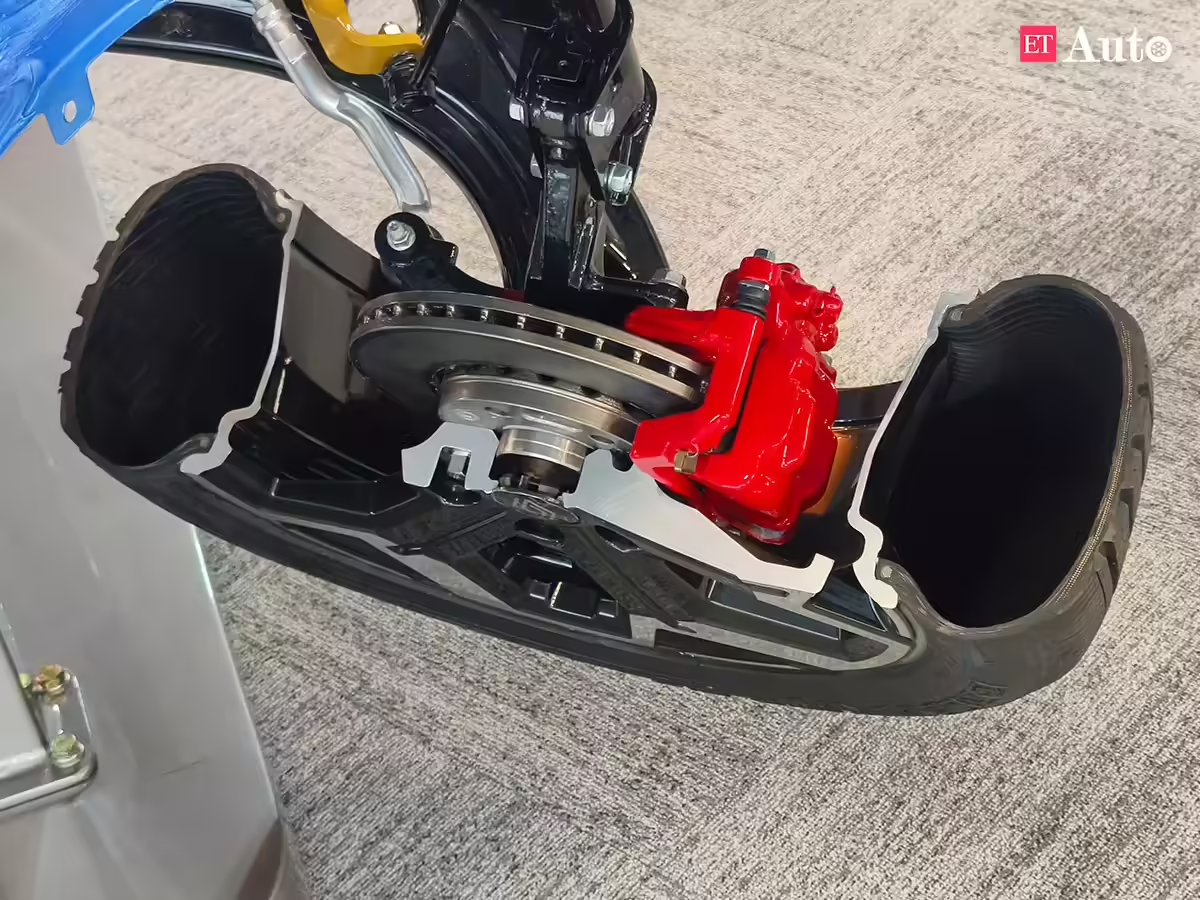
Image courtesy: ETauto
Rear axle stability hi most basic or important cheez hoti hai jo decide karti hai ki kisi car ka handling performance kaise hoga. Duster mein jo twist beam hai, uske inside hi ek stabiliser bar integrated hai or ye Renault ki ek unique cheez hai.
Unhone further explain kiya ki jab koi ride comfort ko chase karta hai, toh other parameter yani agile handling mein thoda loss hona almost confirm hai, because vehicle dynamics mein ye dono cheezein ek dusre ke opposite hoti hai.
"Humne ye problem solve ki ek stabiliser bar laga ke, jo twist beam ke inside hoti hai. Isse kya hota hai ki high speed pe steering dete time chassis ko jo lateral support chahiye hota hai, wo mil jata hai.
And Duster mein yahi biggest differentiator hai. Isi wajah se car bahut agile feel hoti hai, because rear axle bahut respond karta hai," unhone kaha.
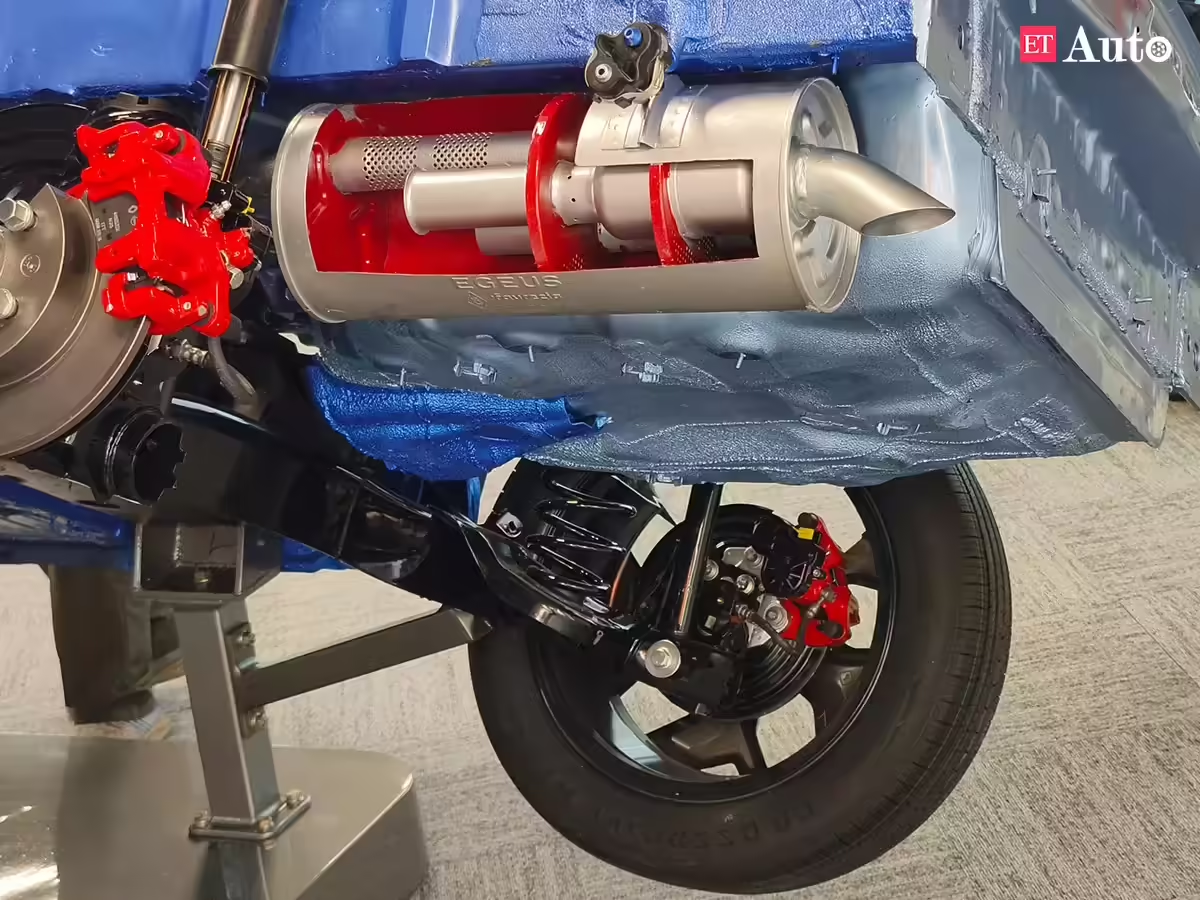
Image courtesy: ETauto
New Duster mein MTV-CL (Multi-Tuned Valve Technology with Concentric Land) bhi use hoti hai. Simple words mein, isme dampers ke inside thoda large piston lagaya gaya hai, jisse car ko road par chalate time jo minor movements, un sab par suspension zyada balanced or controlled response deta hai.
Means overall ride zyada stable or comfortable feel hoti hai jab car road par chal rahi hoti hai.
Company ke according, Duster ka suspension Madras International Circuit par calibrate kiya gaya hai. And jo chassis ki torsional stiffness or rigidity hai, jo BIW mein 57% tak high strength steel use karke achieve ki gayi hai, wo bhi suspension ki performance ko achhe se support karti hai.
"Front or rear ke between jo lag hota hai wo kaafi minimised kar diya gaya hai, or fishtail effect bhi nahi hota. Matlab car rarely control se bahar jaati hai or Duster mein oversteer bhi nahi hota," unhone add kiya.